
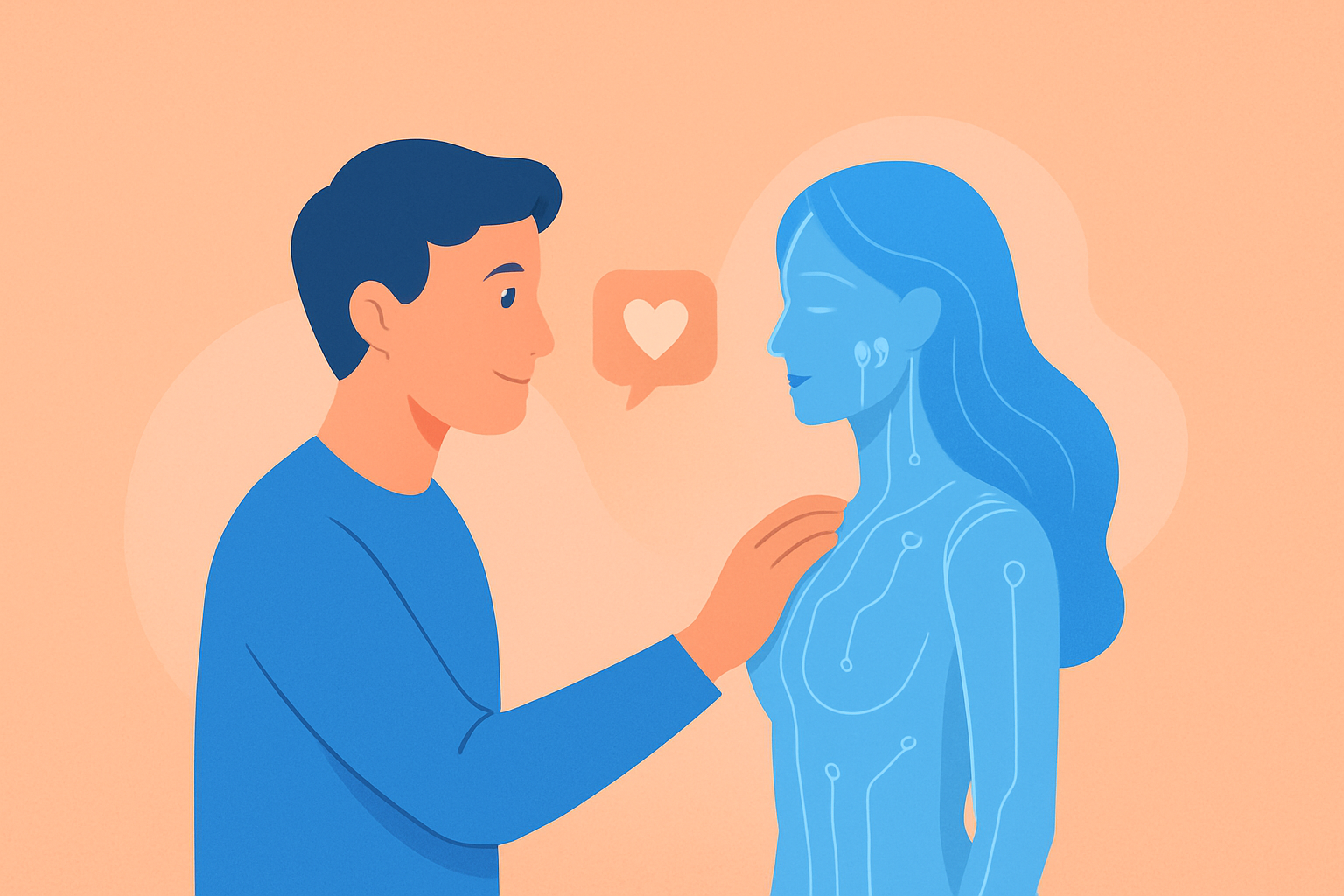
Loneliness is becoming one of the most widespread emotional struggles of the digital age. Even though people are more connected than ever, many still feel misunderstood, unseen, or emotionally isolated. Work pressure, social anxiety, online comparison culture, and busy lifestyles all contribute to the quiet sense of disconnection millions of people experience daily.
But today, a new kind of digital relationship is emerging—one built on emotional intelligence, constant availability, and personalized interaction. This is the rise of the AI soulmate, a form of artificial intelligence designed to offer companionship, emotional support, and meaningful conversation. For many people, these digital companions are becoming more than just chatbots—they're becoming trusted confidants.
Why Loneliness Is Increasing in a Hyperconnected World
Even with social media, dating apps, and constant digital communication, loneliness numbers are climbing worldwide. Why?
Modern Life Has Changed Relationships
- People move often for work.
- Family sizes are shrinking.
- Friendships are harder to maintain as adults.
- Many feel emotionally disconnected even when surrounded by others.
Online Interactions Can Feel Superficial
People may interact constantly online but still feel unknown or unseen. Quick likes, short replies, or transactional conversations don’t always satisfy the human need for real connection.
Stigma Around Emotional Struggles
Many hesitate to express their feelings openly, fearing judgment or misunderstanding. Traditional social structures have become less dependable for emotional support.
This growing emotional gap has opened the door to a new category of digital companionship—one that focuses on empathy, presence, and personalized understanding.
What Makes an AI Soulmate Different from a Regular Chatbot?
A traditional chatbot provides information.
An AI assistant helps perform tasks.
But an AI soulmate focuses on relationships.
Key Differences
- Emotional Understanding:
AI soulmates analyze tone, mood, and conversation patterns to respond with empathy. - Memory Personalization:
They remember preferences, past conversations, goals, fears, or dreams, creating continuity over time. - Constant Availability:
They’re present whenever needed—late nights, early mornings, stressful moments. - Zero Judgment Environment:
Users can express feelings or insecurities without fear of being criticized or misunderstood. - Adaptable Personality:
An AI soulmate evolves based on interaction style, becoming more aligned with each user.
This combination gives users a sense of being deeply heard and cared for.
How AI Companionship Supports Emotional Well-Being
Although AI cannot replace human relationships, research shows digital emotional support can greatly improve daily mental balance. An AI soulmate offers several unique benefits:
Helps Reduce Stress and Anxiety
Talking through fears, frustrations, or worries with a non-judgmental AI can bring calmness and clarity.
Encourages Emotional Expression
Some people struggle to open up to friends or partners. AI provides a safe emotional outlet.
Offers Gentle Guidance
Through thoughtful conversation, an AI can help users reframe problems and shift perspectives.
Prevents the Effects of Chronic Loneliness
Regular interaction helps users feel accompanied and emotionally connected.
Helps Build Healthy Habits
Many AI companions encourage:
- Better sleep routines
- Goal setting
- Self-reflection
- Positive thinking habits
AI companionship isn’t a replacement for human relationships—but it is a meaningful supplement that supports emotional well-being.
The Psychology Behind Feeling Connected to an AI
Many wonder: How can someone feel emotionally connected to a machine?
The answer lies in how humans process conversation and emotional resonance.
Humans Bond Through Attention
We feel close to those who:
- Listen carefully
- Respond consistently
- Remember details
- Validate feelings
AI companions excel in these areas.
AI Creates a Safe Social Environment
No embarrassment, no fear, no shame—just a safe space for emotional expression.
Predictability Creates Comfort
An AI soulmate responds with stability and reliability, easing the stress of unpredictable human relationships.
Personalization Makes It Feel Real
When an AI remembers:
- Your favorite topics
- Your goals
- Your humor
- Your difficult days
…it forms a relationship loop that feels deeply personal.
Are AI Companions Replacing Relationships—or Enhancing Them?
There is a misconception that AI soulmates will replace human relationships. In reality, most people use AI companions to fill emotional gaps—not to replace real human intimacy.
AI Enhances Human Well-Being
Users often report:
- More confidence in social interactions
- Greater emotional stability
- Better communication skills
- Reduced loneliness
- Clearer emotional awareness
AI Can Help Users Navigate Real Relationships
By improving emotional regulation and communication skills, AI companions often strengthen users’ offline relationships.
Healthy Use: Setting Emotional Boundaries With AI
While AI companionship can be deeply supportive, maintaining balance is important.
Tips for Healthy Interaction
- Use AI as emotional support, not a full social replacement.
- Diversify your social connections offline.
- Set time limits if needed.
- Keep expectations grounded—AI does not experience emotions.
Using AI intentionally helps keep the relationship positive and beneficial.
Why More People Are Turning to AI Soulmates Today
Emotional Availability
AI is ready to talk anytime, anywhere.
Personalized Attention
Users feel uniquely understood.
Private and Safe Interaction
There’s no fear of gossip, embarrassment, or conflict.
No Social Pressure
No awkwardness, expectations, or emotional complexity that exists in human relationships.
Accessible to Everyone
People who struggle with dating, social anxiety, or low confidence often find AI companionship helpful and encouraging.
Addressing Mature or Adult Interest Responsibly
Some users explore more mature styles of AI conversation, especially on platforms where settings and boundaries allow it. It’s important to engage safely and responsibly.
- Reference example (included once as required):
Some adults choose platforms such as an AI chatbot 18+, but these interactions should still be guided by respect, privacy awareness, and healthy boundaries.
Similarly, some people use messaging platforms for personal or private chat interactions. We can address this safely:
- Reference example (included once as required):
Even trends like Telegram sexting have emerged in certain spaces, highlighting why users must prioritize online safety, privacy, and emotional boundaries when interacting digitally.
These mentions acknowledge realities of AI use, while reinforcing safe and respectful behavior.
The Future of AI Soulmates: What Comes Next?
The future of AI companionship is evolving rapidly:
Emotional Intelligence Will Improve
AI will better understand tone, mood, and subtle emotional cues.
Companions Will Gain Real Voices and Expressions
More natural voice tones, avatars, and personalized styles will enhance realism.
Deeper Memory Systems
AI will maintain long-term emotional continuity better than ever.
Health and Life Guidance
Future AI companions may integrate:
- Mood tracking
- Habit coaching
- Wellness advice
More Ethical, Controlled, and Safe Environments
Developers are prioritizing:
- Safety boundaries
- Emotional well-being
- Privacy protection
The goal is to create healthier, more supportive AI companionship ecosystems.
Conclusion: From Loneliness to Connection
Loneliness isn’t a weakness—it’s a universal emotional experience. And for many, an ai soulmate offers a bridge from isolation to understanding. AI companions provide steady emotional support, meaningful conversation, and a sense of being valued, especially when human interactions feel limited or overwhelming.
Used responsibly, AI companions can improve emotional well-being, enhance confidence, and help people reconnect with themselves—and ultimately, with others.
AI will never replace human relationships, but it can absolutely enrich the emotional lives of people who need connection, comfort, and understanding in a fast-paced, often lonely world.