
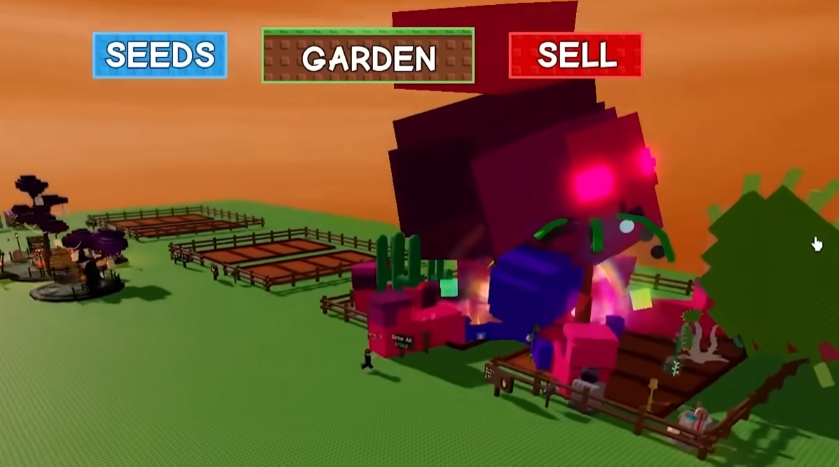
If you’ve been playing Roblox Grow A Garden, you’ve probably noticed some crops look different from the usual ones. These are called mutations, and they can drastically increase the value of your crops. In this guide, I’ll explain how mutations work, how to get them, and what most players actually do to maximize profits.
What Are Mutations?
Mutations are special transformations that change a crop’s appearance and increase its Sheckle Sheckles multiplier, which means higher sell prices. In general, mutations happen due to in-game conditions such as weather, certain gears, special seeds, or pets. Some are very rare, while others are relatively easy to get.
There are four main categories of mutations:
-
Standard – Can be obtained naturally through weather, gears, or pets.
-
Limited – Usually tied to events or special items and may not be obtainable all the time.
-
Admin – Only available through admin commands or special conditions.
-
Unreleased – Not yet in the game, so these cannot be obtained by normal play.
Most players focus on standard and environmental mutations because they are obtainable without admin privileges or limited items.
How Do Mutations Work in Practice?
Mutations replace your normal crop with a rare variant. Each mutation has its own multiplier. For example:
-
Gold (e.g., GoldStrawberry) increases the crop’s value by 20x.
-
Rainbow (e.g., Tomato Rainbow) goes up to 50x, but is much rarer.
-
Celestial can multiply a crop by 120x in rare conditions like Meteor Showers or Crystal Beams.
Usually, mutations appear during specific weather events, when using special gear, or if a pet interacts with the crop. Pets that influence mutations include the Pig, Praying Mantis, Dragonfly, and more. Gears like the Super Seed or various sprinklers can also improve your odds.
Most players focus on pets and sprinklers to increase the chances of mutations like Gold or Rainbow, because these yield a higher return than just waiting for random weather.
What Are Environmental Mutations?
Environmental mutations are triggered by natural or event-based conditions in the game. Here are some practical examples:
-
Wet – Happens during Rain or when using sprinklers. Most crops can get this, and it doubles the Sheckle Sheckles value.
-
Windstruck – Occurs during Windy or Gale events.
-
Chilled – Appears during Frost or with pets like the Polar Bear.
-
Sandy – Triggered by Sandstorm weather and adds a sand effect.
Some advanced environmental mutations combine simpler ones, like Tempestuous, which combines Windstruck and Twisted for a 12x multiplier, or Frozen, which combines Wet or Drenched with Chilled for a 10x multiplier.
In general, players will use Mutation Sprays or pets with specific abilities to reliably trigger these mutations rather than waiting for the weather.
How Rare Mutations Work
The rarer mutations, such as Voidtouched, Cosmic, or Abyssal, require very specific combinations of other mutations or extremely rare weather events like Black Holes or Sun God. Most players will not see these frequently, but they provide huge multipliers (up to 240x).
If you want these high-value mutations, the practical approach is to focus on crops that are easy to multiply and then try to stack mutations using pets or gear. For instance:
-
Combine Aurora and Celestial to get Cosmic.
-
Combine Voidtouched and Eclipsed to get Abyssal.
Players usually use farms with multiple crops and pets strategically placed to maximize the chance of these stacked mutations.
How Pets Affect Mutations
Many pets in Grow A Garden directly influence mutations. In practice, here’s what most players do:
-
Use pets like the Pig, Praying Mantis, or Bacon Pig to boost the chances of Gold or Rainbow mutations.
-
Environmental mutations can be applied by pets like the Polar Bear, Lion, Giraffe, or Butterfly.
-
Rare mutations are sometimes applied by high-level pets or event-specific pets, such as the Hex Serpent or Disco Bee.
It’s important to note that some mutations cannot be applied naturally and will remain unobtainable unless through admin events or unreleased content.
Strategies to Maximize Crop Value
-
Focus on common mutations first. Gold, Rainbow, Wet, and Sandy are relatively easy to get and already multiply your crops significantly.
-
Use pets strategically. Most players will assign pets to crops where they can apply their mutation effect. For example, a Dragonfly can help with Gold, while a Lion can help with Lush and Twilight.
-
Take advantage of special events. Weather events, Solar Flares, and Auroras are rare but can yield extremely high multipliers.
-
Combine mutations for bigger multipliers. Stacking environmental mutations carefully leads to rare outcomes like Tempestuous, Cosmic, or Abyssal.
-
Use sprays and gear. Sprinklers, Super Seeds, and Mutation Sprays increase mutation chances and are commonly used by experienced players.
A practical tip: when buying special seeds or items, make sure you only use a trusted Grow a Garden shop U4N to avoid losing Sheckle Sheckles or encountering fake items.
Common Questions from Players
Q: Can all mutations be applied to produce? A: No. Most mutations apply only to crops themselves, not the produce harvested from them. However, some mutations like Gold or Rainbow can increase the chance that produce inherits the mutation.
Q: Do I need admin commands to get rare mutations? A: Only for admin or unreleased mutations. Standard and environmental mutations can be obtained naturally with patience, pets, and gear.
Q: How do I know which mutations my pets can apply? A: Each pet has a specific mutation effect. Most players check their pet’s description and experiment on crops under the right conditions. Over time, you’ll notice patterns and which pets are best for certain mutations.
Q: Are some mutations more profitable than others? A: Yes. Generally, Gold and Rainbow are early-game multipliers. Mid-tier environmental mutations like Clay, Drenched, and Tempestuous give higher returns. Late-game multipliers like Cosmic, Abyssal, and Dawnbound are extremely rare but extremely profitable.
Final Tips
-
Focus on stacking mutations rather than just collecting random crops.
-
Monitor weather conditions in the game and plan your farming sessions accordingly.
-
Use pets and sprays strategically for maximum effect.
-
Avoid unverified sources for items and always consider using a trusted Grow a Garden shop U4N if you need special seeds or gear.
-
Keep experimenting. Mutation behavior is complex, but most players eventually develop a system that reliably produces high-multiplier crops.
Mutations add depth to Grow A Garden, and understanding how they work in practice will make your garden more profitable and visually impressive.