
In the quest for sustainable and eco-friendly energy solutions, renewable energy sources have emerged as pivotal players. Among these, solar power stands out due to its abundance, accessibility, and potential to drastically reduce our carbon footprint. However, the journey from harnessing sunlight to generating usable electricity involves several critical components, with PV (photovoltaic) inverters being one of the most indispensable.
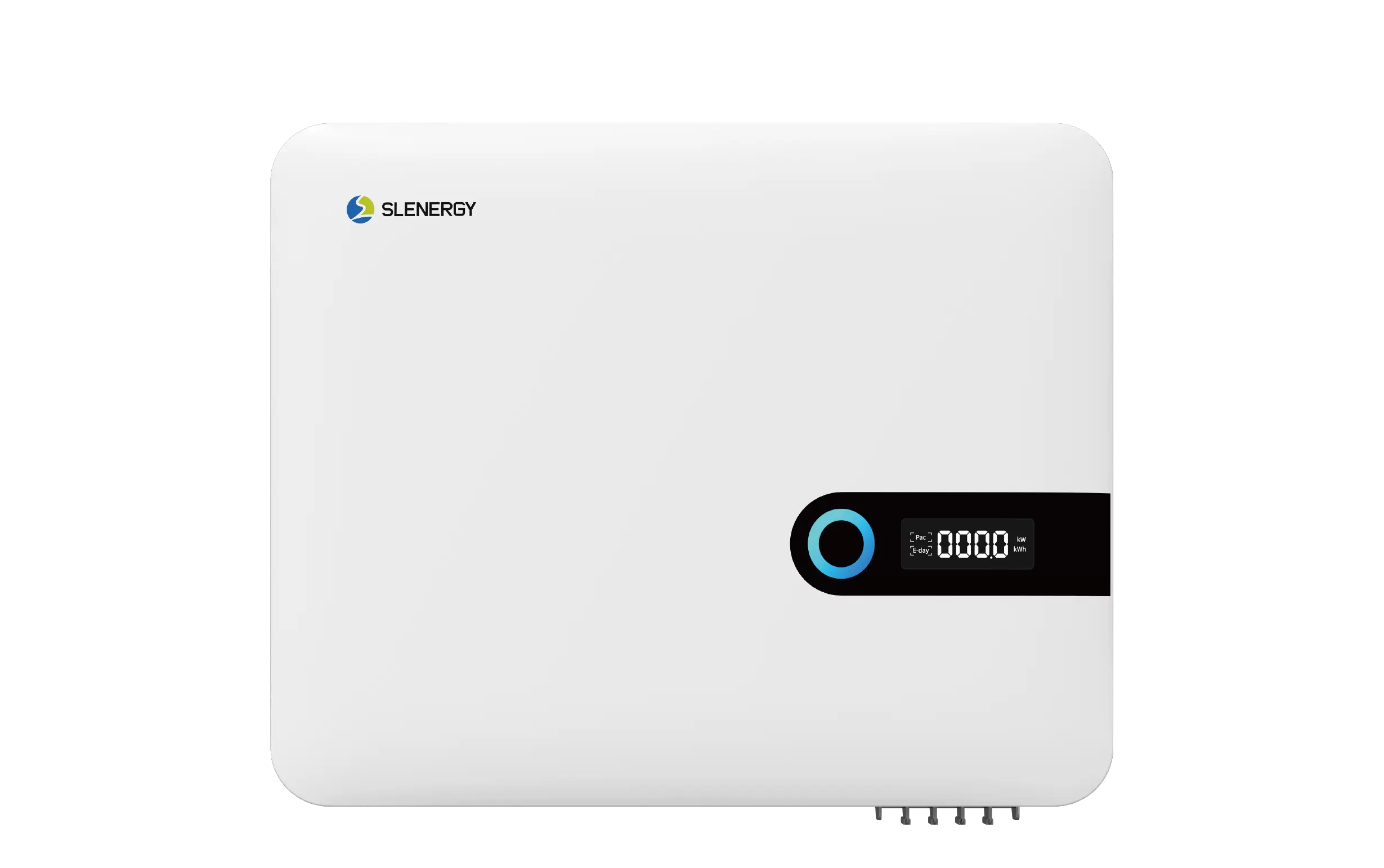
What are PV Inverters?
Core Component in Solar Energy Conversion
PV inverters are electronic devices that convert the direct current (DC) electricity produced by solar panels into alternating current (AC). AC is the standard form of electricity used in homes, businesses, and the grid. Essentially, inverters serve as the bridge between solar panels and the electrical infrastructure, enabling solar energy to be utilized effectively.
Functionality and Types of PV Inverters
Central Inverters
Description: These large-scale inverters are typically used in commercial and utility-scale solar installations.
Advantages: Cost-effective for large systems, centralized monitoring.
Drawbacks: Single point of failure, potential energy loss due to longer cable runs.
String Inverters
Description: More common in residential and smaller commercial systems, string inverters connect multiple solar panels (grouped in 'strings') before conversion.
Advantages: Cost-effective, suitable for most rooftop installations.
Drawbacks: If one panel or string underperforms, it can affect the entire string’s output.
The Importance of PV Inverters
Maximizing Energy Harvest
PV inverters are equipped with advanced algorithms that optimize power production based on real-time conditions such as irradiance levels, temperature, and system configuration. This ensures that the maximum possible energy is extracted from the solar panels.
Grid Connectivity and Compatibility
Inverters not only convert DC to AC but also ensure compatibility with the national grid. They manage the flow of electricity, feeding excess energy back into the grid or drawing from it during night or low-sun periods, thus facilitating net metering and energy independence.
Monitoring and Diagnostics
Modern PV inverters come with built-in monitoring capabilities, providing real-time data on system performance, energy production, and potential faults. This data is crucial for maintenance, troubleshooting, and optimizing system efficiency.
Safety and Compliance
Inverters incorporate safety features such as ground fault protection, arc fault detection, and overvoltage/undervoltage protection to ensure the system operates within safe parameters. They also comply with international standards and regulations, ensuring reliability and interoperability.
The Evolution of PV Inverters: Innovations and Future Trend
Smart Grid Integration
As smart grids become more prevalent, PV inverters are evolving to provide grid services such as frequency regulation, voltage support, and demand response. This integration enhances grid stability and resilience, contributing to a more efficient and flexible power system.
Energy Storage Synergy
The pairing of PV inverters with battery storage systems is gaining traction. These 'hybrid inverters' manage both solar energy conversion and battery charging/discharging, enabling energy independence and cost savings through off-peak charging and peak shaving.
Increased Efficiency and Digitalization
Continuous advancements in semiconductor technology, power electronics, and digital controls are driving up inverter efficiency and reducing costs. Digitalization, including IoT integration, allows for remote monitoring, predictive maintenance, and even AI-driven optimization, further boosting system performance.
Conclusion
PV inverters, though often overlooked, play a pivotal role in the success and efficiency of renewable energy systems, particularly solar power. Their ability to convert DC to AC, optimize energy production, ensure grid compatibility, and provide advanced monitoring and safety features makes them indispensable. As technology advances, inverters are becoming smarter, more efficient, and better integrated into the broader energy ecosystem. By recognizing and embracing the importance of PV inverters, we can harness the full potential of solar energy, driving towards a cleaner, more sustainable future.
https://www.slenergy.com/news/the-importance-of-pv-inverters-in-renewable-energy.html