
Railway infrastructure is a complex system that relies on precise engineering, durable materials, and meticulous installation to ensure safety and long-term performance. Among the critical components that maintain the stability and reliability of tracks are train spikes. Widely used across global rail networks, these seemingly simple components perform a highly specialized function: securing railway ties or sleepers and maintaining track alignment under dynamic loads.
Understanding Train Spikes
A train spike, often referred to as a railway spike or rail spike, is a robust metal fastener designed to hold rails firmly to the underlying sleepers. Traditionally made of high-carbon steel, modern train spikes offer enhanced mechanical strength and corrosion resistance, crucial for withstanding heavy freight, high-speed passenger trains, and harsh environmental conditions.
The primary function of train spikes is to prevent lateral and longitudinal movement of rails, ensuring that trains run smoothly without risk of track deformation. By anchoring rails tightly to wooden, concrete, or composite sleepers, train spikes reduce vibration, distribute load efficiently, and prolong the lifespan of the track structure.
Applications and Installation Techniques
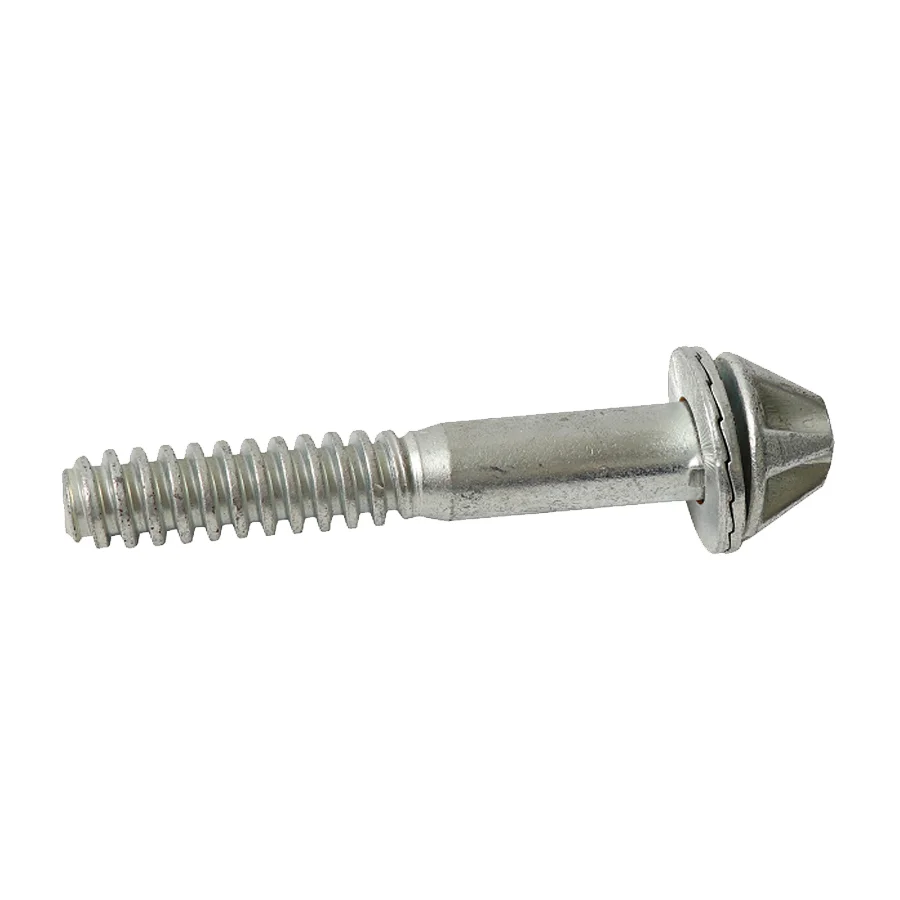
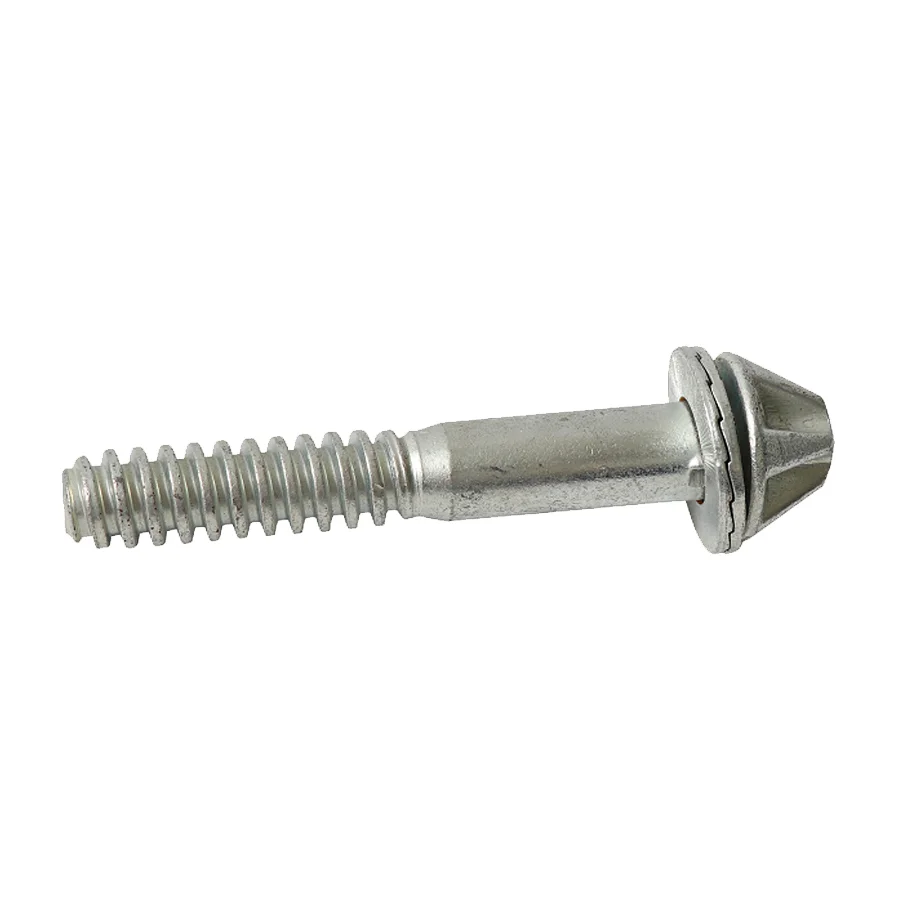
Railway screw spikes, a specialized variant, are increasingly popular due to their superior holding power and adaptability. Unlike traditional spikes hammered into wooden ties, railway screw spikes are threaded and can be screwed directly into concrete or composite sleepers. They are often used in conjunction with plastic ferrules, which provide additional stability, reduce wear, and facilitate easy maintenance or replacement.
Concrete sleepers, while highly durable, require precision fastening methods. Here, screw spikes offer a reliable solution, ensuring that rails are tightly fixed and track geometry is maintained. Proper installation involves careful alignment, torque control, and the use of ferrules where appropriate to prevent concrete cracking and maximize fastening efficiency.
Material Selection and Performance Considerations
High-quality train spikes, such as those produced by HuiBo Railway, are typically manufactured using quenched and tempered steel to achieve optimal hardness and toughness. Material selection is critical because spikes must resist shear forces, bending, and corrosion over decades of service.
Factors influencing spike performance include:
-
Environmental conditions: Salt, humidity, and temperature variations can accelerate corrosion if spikes are not properly coated.
-
Load cycles: High-speed and freight trains exert dynamic forces that require spikes with high fatigue resistance.
-
Sleeper type: Wooden sleepers may allow slight deformation, whereas concrete sleepers demand rigid fastening to prevent rail creep.
By considering these factors, engineers can select the right spike type and installation method to optimize safety, maintenance intervals, and operational efficiency.
Maintenance and Inspection of Train Spikes
Even the highest-quality spikes require routine inspection. Track maintenance teams should regularly check for:
-
Loosened spikes: Vibrations and train loads can gradually loosen spikes.
-
Corrosion or wear: Exposed spikes are susceptible to rust, which weakens fastening.
-
Rail movement: Any lateral or vertical displacement may indicate inadequate spike performance.
Maintenance strategies include retightening screw spikes, replacing damaged ferrules, and applying anti-corrosion coatings. By adhering to systematic inspection protocols, railway operators can extend the lifespan of both tracks and rolling stock.
Why HuiBo Railway Train Spikes Stand Out
HuiBo Railway has earned recognition in the rail industry for delivering high-precision train spikes engineered for durability, safety, and ease of installation. Their product line encompasses both traditional spikes and railway screw spikes, each optimized for use with wooden, concrete, and composite sleepers. Through rigorous quality control and advanced metallurgical processes, HuiBo Railway ensures spikes that provide maximum holding power while minimizing maintenance needs.
With the increasing demand for high-speed rail networks and heavy freight operations, choosing the right fasteners is no longer optional—it is essential. HuiBo Railway train spikes offer a dependable solution, combining innovation, quality, and practical engineering know-how to maintain track integrity across diverse rail systems.
Conclusion
Train spikes may seem like minor components in the vast railway system, but their role is indispensable. From securing rails to minimizing vibration, controlling rail movement, and extending track life, high-quality spikes such as those from HuiBo Railway are central to operational safety and efficiency. By understanding their function, selecting appropriate materials, and adhering to proper installation and maintenance procedures, railway operators can ensure safe, reliable, and long-lasting rail infrastructure.