
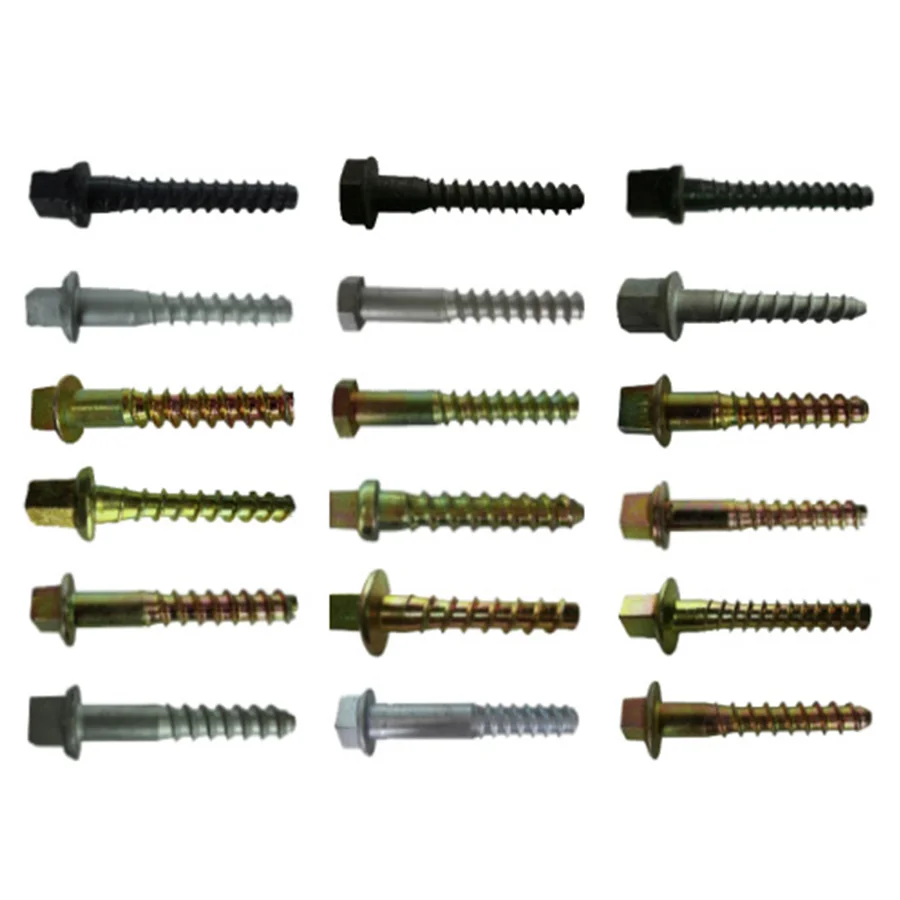
Despite the rapid evolution of railway technology, railroad spikes remain one of the most fundamental yet indispensable components in rail track systems. From heavy-haul freight corridors to regional and industrial railways, railroad spikes play a critical role in track stability, load transfer, and long-term safety.
While often overlooked, the performance of railroad spikes directly affects rail alignment, gauge retention, and resistance to dynamic forces caused by high-speed and heavy-load operations. Manufacturers such as HuiBo Railway continue to refine spike design and material quality to meet modern railway standards and increasingly demanding operational environments.
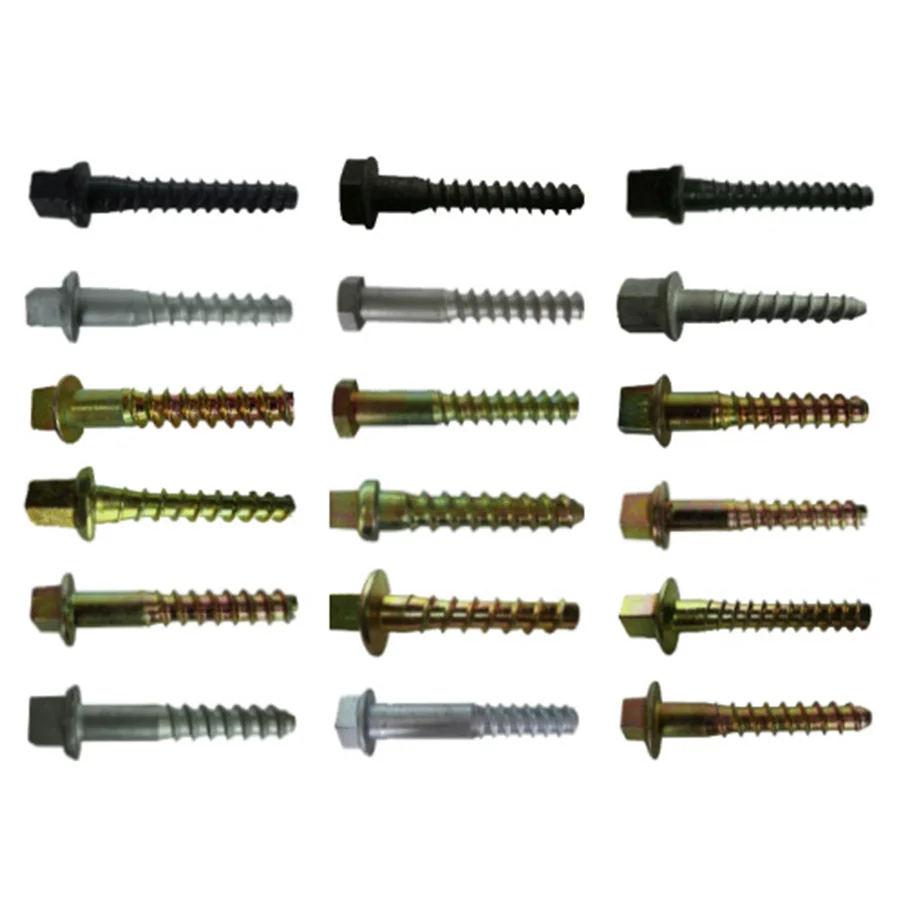
What Are Railroad Spikes
Railroad spikes are forged steel fasteners used to secure rails to wooden sleepers (ties) or to base plates mounted on sleepers. Their primary function is to hold the rail firmly in position, preventing longitudinal and lateral movement under traffic loads.
A standard railroad spike features:
-
A square or rectangular shank
-
A flat or slightly rounded head
-
A tapered, chisel-like point for penetration into sleepers
The design allows the spike to achieve high holding power through friction and material compression within the sleeper.
Functional Role in Track Systems
Rail Fixation and Gauge Control
Railroad spikes ensure that rails remain correctly positioned on the sleeper, maintaining the designed track gauge. Even minimal displacement can compromise ride quality and safety, particularly under repetitive axle loads.
Load Distribution
Spikes help transfer vertical and lateral forces from the rail into the sleeper and ballast system. Proper spike installation reduces localized stress concentrations and extends the service life of track components.
Resistance to Dynamic Forces
Modern railways experience significant vibration, thermal expansion, and braking forces. High-quality railroad spikes resist loosening and deformation under these dynamic conditions.
Types of Railroad Spikes and Their Applications
Standard Square Spikes
The most widely used type, suitable for general railway and industrial siding applications. These spikes offer balanced holding strength and ease of installation.
Cut Spikes
Featuring a sharper profile, cut spikes are often used where enhanced penetration into dense hardwood sleepers is required.
Screw Spikes (Lag Spikes)
Used in high-load or high-speed applications, screw spikes provide superior resistance to pull-out forces and vibration.
Specialty and Custom Spikes
Custom-designed railroad spikes may be required for special track systems, export markets, or extreme climate conditions.
HuiBo Railway supplies a comprehensive range of spike types to meet diverse railway engineering requirements.
Material Selection and Manufacturing Process
Steel Grade and Mechanical Properties
Railroad spikes are typically manufactured from medium- to high-carbon steel, providing the optimal balance between hardness and toughness. Proper heat treatment ensures:
High tensile strength
Resistance to bending under load
Controlled ductility to prevent brittle failure
Forging and Heat Treatment
Hot forging enhances grain structure and mechanical strength. Controlled quenching and tempering processes improve wear resistance and long-term performance.
Surface Treatment
Depending on environmental exposure, spikes may receive coatings such as black oxide or anti-corrosion treatments to extend service life in humid or coastal regions.
Performance Requirements in Modern Railways
Railroad spikes must meet stringent technical criteria, including:
-
Dimensional accuracy for consistent installation
-
High pull-out resistance
-
Fatigue resistance under cyclic loading
-
Compatibility with base plates and rail profiles
Railway authorities and contractors increasingly demand products that comply with international standards such as AREMA, ASTM, and EN specifications.
Installation Best Practices and Maintenance Considerations
Correct Driving Technique
Improper installation can reduce spike holding power and damage sleepers. Controlled driving ensures optimal friction and minimizes sleeper splitting.
Inspection and Replacement Cycles
Over time, spikes may loosen due to vibration or sleeper degradation. Regular inspection allows timely replacement, preserving track geometry and safety.
Compatibility with Modern Track Systems
While concrete sleepers dominate high-speed rail, railroad spikes remain essential for wooden sleeper tracks, industrial railways, mining rail systems, and temporary or secondary lines.
Conclusion
Although modest in size, railroad spikes carry significant responsibility in ensuring track safety, stability, and longevity. Their design, material quality, and installation directly affect railway performance and maintenance costs.
By choosing professionally manufactured spikes from trusted suppliers such as HuiBo Railway, rail operators and contractors can ensure consistent performance, compliance with standards, and long-term operational reliability.