
In modern scientific research and industrial analysis, water quality plays a crucial role in ensuring reliable, consistent, and accurate results. Whether you are working in environmental monitoring, pharmaceuticals, chemical engineering, or academic research, selecting the right Laboratory Water Quality Analyzer is essential to guarantee the accuracy of every data point. With so many available options and complex testing needs, it is important to choose an analyzer that delivers precision, efficiency, and flexibility.
As one of the leading manufacturers in analytical instruments, SCH provides advanced Laboratory Water Quality Analyzers designed for precision-driven laboratories. With its ability to test more than 80 customizable parameters—including COD, ammonia nitrogen, total phosphorus, total nitrogen, copper, iron, nickel, hexavalent chromium, phosphate, nitrite, pH, and residual chlorine—SCH’s analyzers help laboratories maintain high testing standards across various industries.
The Importance of Laboratory Water Quality Analysis
Water is a universal solvent used across countless research and production environments. However, its purity and composition can greatly influence experimental outcomes and process stability. Contaminants like organic compounds, heavy metals, or unbalanced pH levels can alter reactions, affect measurements, and compromise product quality.
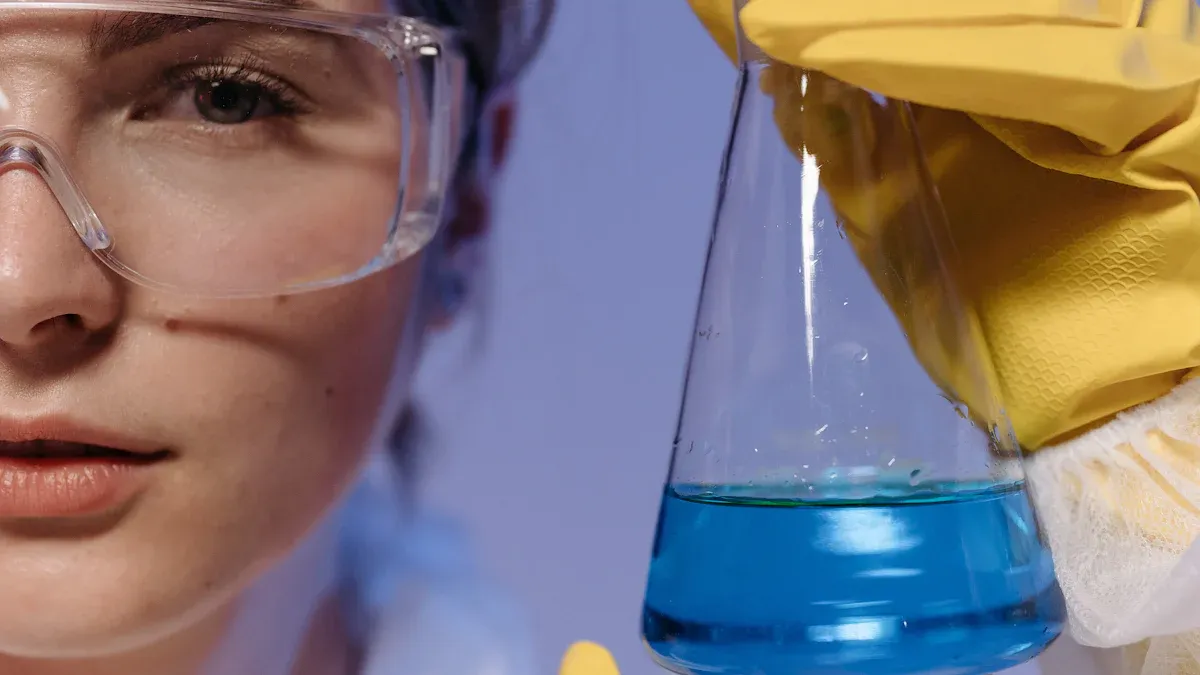
A Laboratory Water Quality Analyzer ensures these issues are detected early by continuously monitoring chemical and physical properties. Whether testing wastewater discharge, monitoring process water, or ensuring compliance with environmental regulations, reliable analysis equipment helps researchers maintain accuracy and confidence in their data.
Key Factors to Consider When Choosing a Laboratory Water Quality Analyzer
1. Parameter Range and Flexibility
The first factor to consider is the analyzer’s detection capability. SCH’s Laboratory Water Quality Analyzer supports over 80 customizable parameters, offering unmatched versatility for both standard and specialized testing. Commonly analyzed parameters include:
-
COD (Chemical Oxygen Demand): Determines organic pollution levels.
-
Ammonia Nitrogen: Indicates the presence of nitrogen-based waste.
-
Total Phosphorus & Total Nitrogen: Key indicators for nutrient pollution.
-
Copper, Iron, Nickel, Hexavalent Chromium: Essential for detecting heavy metal contamination.
Phosphate, Nitrite, pH, and Residual Chlorine: Fundamental parameters for environmental and process water monitoring.
This flexibility makes SCH’s analyzer suitable for laboratories with diverse research objectives—allowing users to configure their testing setup based on unique analytical requirements.
2. Accuracy and Detection Sensitivity
In research, even the smallest measurement error can lead to incorrect conclusions. SCH integrates advanced optical and electronic technologies to ensure high sensitivity and stability in detection. Its instruments are equipped with intelligent calibration systems and temperature compensation functions to eliminate external interference, ensuring consistent accuracy in all conditions.
3. Ease of Use and Automation
Modern laboratories demand efficiency and minimal manual intervention. SCH analyzers are designed with intuitive interfaces and automated operation systems, allowing users to run complex tests with simple procedures. Automation minimizes human error and enables continuous monitoring—saving time and improving overall productivity.
4. Data Management and Connectivity
Accurate data is only valuable when it is accessible and manageable. SCH analyzers come with intelligent data management software, enabling users to store, process, and export results easily. Integration with laboratory management systems ensures seamless data sharing, traceability, and reporting—ideal for research institutions and industrial quality control departments.
5. Durability and Maintenance
Durability and low maintenance are essential for reducing operational costs. SCH instruments are engineered using robust components and corrosion-resistant materials, ensuring long-term stability and minimal maintenance. Built-in self-diagnosis functions and maintenance alerts further simplify daily operation.
Why Customization Matters in Water Quality Analysis
Not all laboratories require the same analytical parameters. Some may focus on organic pollutants like COD, while others emphasize heavy metals or nutrient content. SCH understands this diversity and offers customizable Laboratory Water Quality Analyzers to meet specific testing requirements.
Customization allows laboratories to:
-
Eliminate unnecessary functions and focus on relevant data.
-
Improve precision by optimizing detection ranges for selected parameters.
-
Enhance efficiency with user-defined calibration and control settings.
By providing flexibility in parameter selection and configuration, SCH ensures that every analyzer is tailored to deliver maximum analytical performance and cost efficiency.
Why Choose SCH
As a leading developer of analytical instrumentation, SCH combines technology, precision, and reliability in every product. The company’s Laboratory Water Quality Analyzers are built with advanced sensors, intelligent software, and modular designs—enabling long-term stability and flexible use.
SCH’s commitment to innovation and customer satisfaction is reflected in its ability to customize analyzers for different research and industrial environments. The company’s dedication to quality and technological excellence has made it a trusted partner for laboratories worldwide.
Conclusion
Choosing the right Laboratory Water Quality Analyzer is essential for achieving accurate, efficient, and reproducible results in research and industrial applications. With the capability to measure more than 80 customizable parameters—including COD, ammonia nitrogen, heavy metals, pH, and residual chlorine—SCH offers comprehensive and flexible solutions tailored to your laboratory’s unique needs.
When precision and reliability matter most, SCH’s innovative water quality analyzers provide the confidence researchers need to advance scientific discovery and maintain the highest standards of water analysis.