
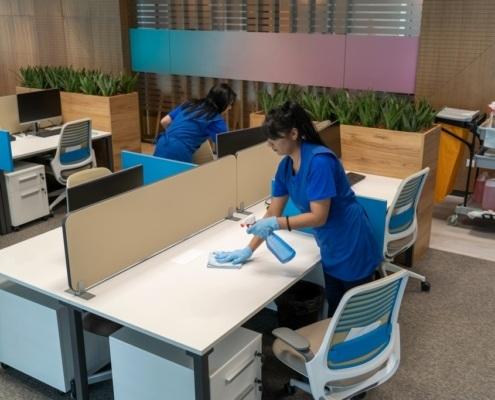
The interior design of a premier New York law firm is a deliberate statement of power, stability, and longevity. These spaces are often curated with materials that convey weight and tradition: solid mahogany conference tables, limestone floors, leather-bound libraries, and brass fixtures. These are not just office furnishings; they are assets that require specialised stewardship. A standard "spray and wipe" approach using generic all-purpose cleaners can be disastrous for these finishes. Ammonia can cloud acrylics, acidic cleaners can etch marble, and improper polish can ruin the patina of fine wood.
To maintain the grandeur of these environments, firms require a law office cleaning NYC partner with expertise in material preservation. This is custodial care closer to museum conservation than typical janitorial work. It involves understanding the pH balance of cleaning agents and the specific needs of natural materials. Proper maintenance not only preserves the aesthetic authority of the firm but also protects the significant capital investment represented by the interior fit-out.
The Science of Stone Care: Marble and Limestone
Natural stone is porous and chemically sensitive. The polished marble floors of a reception area or the limestone tiles in a boardroom are susceptible to etching from acidic liquids (like coffee or wine) and scratching from grit. Standard floor cleaners often contain chelating agents or acids that dull the stone's surface over time, turning a mirror finish into a hazy, matte disappointment.
Specialised care involves using pH-neutral stone soaps that lift dirt without reacting with the calcium carbonate in the stone. It also requires a regimen of crystallisation or diamond pad polishing to maintain the gloss without using wax (which looks artificial and cheap). Regular application of penetrating sealers is also crucial to prevent staining. A knowledgeable cleaning team knows exactly which products to use to keep the stone looking as monolithic and impressive as the day it was installed.
Woodwork and Veneer Preservation
Grand conference tables and wood-panelled walls are the heart of the legal aesthetic. These surfaces are vulnerable to desiccation (drying out) and water damage. Using a water-heavy cleaning method or a silicone-based furniture polish can be harmful. Silicone creates a temporary shine but builds up a sticky layer that attracts dust and eventually clouds the finish, making repair difficult.
The correct approach involves dusting with microfibre to prevent micro-scratches and using high-quality oils or polishes that nourish the wood rather than coating it. Coasters must be used, but accidents happen; immediate and correct removal of water rings is a skill in itself. The cleaning staff must be trained to recognise the difference between solid wood and delicate veneers, treating each with the appropriate level of delicacy to prevent lifting or warping.
Leather and Upholstery Maintenance
Chesterfield sofas and leather executive chairs are staples of the law office. Leather is organic; it needs to breathe and remain moisturised. If cleaned with harsh alcohols or allowed to accumulate dust in the creases, it will crack and peel, looking shabby and neglected. Conversely, fabric upholstery in waiting areas can trap dust and odours, creating a stale environment.
A specialised cleaning protocol includes regular vacuuming of leather to remove abrasive dust particles from the stitching, followed by conditioning with leather-specific balms that prevent cracking. For fabrics, low-moisture extraction methods are preferred to prevent mould and ensure rapid drying times. This keeps the furniture comfortable and visually impeccable, supporting the firm's image of enduring quality.
Brass, Bronze, and Metal Fixtures
Metal accents—door handles, light fixtures, and signage—add a touch of brilliance to the office. However, metals like brass and bronze oxidise over time, developing tarnish. Chrome and stainless steel show every fingerprint.
The challenge is to clean these metals without damaging the surrounding surfaces. Polishing a brass door plate requires a steady hand to avoid getting polish on the wood door, which would leave a white residue. Cleaners must use the correct metal polishes that remove tarnish without stripping protective lacquers. The gleam of polished metal is a subtle but powerful signal of attention to detail, reinforcing the firm's reputation for precision.
Conclusion
The physical environment of a law firm is a tool of persuasion. It speaks to clients before the attorney enters the room. Entrusting the care of fine wood, stone, and leather to a specialised cleaning partner ensures that this tool remains sharp. It preserves the dignity and value of the space, reflecting the high standards of the practice itself.
Call to Action
Protect your firm's investment and image with specialist cleaning for high-end interiors.