
In advanced manufacturing, dimensional accuracy is not optional—it is foundational. From machining centers to quality control laboratories, even a deviation of 0.02 mm can compromise assembly alignment, mechanical performance, or product safety. The Electronic digital caliper has become one of the most widely adopted precision measuring tools due to its repeatability, readability, and operational efficiency.
Unlike traditional vernier calipers, electronic models provide digital measurement output, reducing operator interpretation errors and increasing measurement speed. However, not all digital calipers are engineered to the same standard. Material selection, structural design, and durability enhancements determine long-term accuracy and reliability.
At West Lake Packaging Machinery, precision tools are selected and supplied with emphasis on structural integrity, user ergonomics, and industrial durability—ensuring reliable performance in demanding production environments.
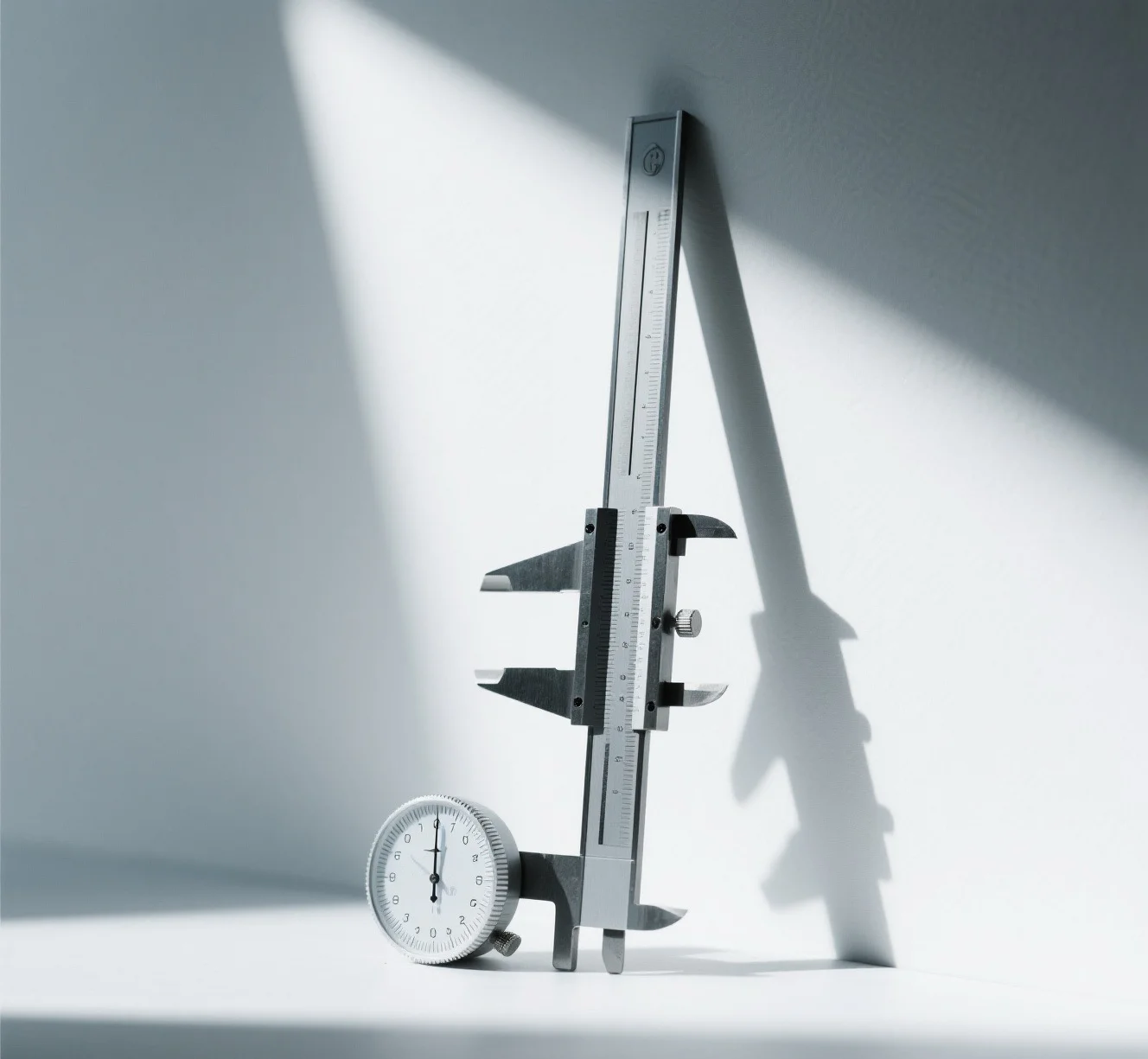
Material Engineering: Stability Begins with Structure
CFRP (Carbon Fiber Reinforced Plastic) Construction
One of the most significant innovations in modern electronic digital calipers is the use of CFRP (carbon fiber reinforced plastic) for the main ruler and measuring jaws in selected models.
CFRP provides:
-
Lightweight structure for improved handling
-
High tensile strength
-
Excellent corrosion resistance
-
Reduced thermal expansion compared to certain metals
In workshop environments where humidity, coolant exposure, or temperature fluctuations are common, corrosion resistance is essential for maintaining measurement consistency. CFRP-based calipers reduce deformation risk during long-term use, helping preserve stable measurement accuracy.
Structural Rigidity and Deformation Control
Dimensional measurement tools must maintain geometric stability under repeated sliding motion. Poor-quality calipers may suffer from:
-
Rail warping
-
Jaw misalignment
-
Gradual loss of parallelism
High-quality materials combined with precision machining ensure that the electronic digital caliper maintains consistent contact alignment between measuring jaws and workpiece surfaces.
This structural reliability directly impacts repeatability in batch inspection processes.
User-Friendly Design: Minimizing Human Error
Precision tools must account for operator interaction. Even the most accurate device can produce inconsistent data if ergonomics are neglected.
Optimized Vernier Face Angle
The vernier face is typically designed at a small angle—approximately 14°—to enhance visibility. This ergonomic configuration:
-
Reduces parallax error
-
Improves reading clarity
-
Minimizes eye fatigue during repetitive measurement tasks
Clear digital displays further enhance operational efficiency, especially in high-throughput inspection stations.
Locking Screw for Measurement Stability
During measurement, especially when inspecting parts with tight tolerances, movement of the slider can alter readings.
The integrated locking screw allows:
-
Secure fixation of the measuring position
-
Stable data retention for documentation
-
Improved repeatability in comparative measurements
This feature is particularly useful in quality control processes requiring dimensional verification across multiple points.
Micro-Adjustment Mechanism
Some advanced electronic digital calipers incorporate a micro-adjustment mechanism. This allows fine positional control during measurement, ensuring:
-
Gentle, controlled contact with delicate parts
-
Precise alignment when measuring narrow grooves or internal diameters
-
Reduced risk of overshooting critical dimensions
Micro-adjustment is especially beneficial when working with precision-machined components where tolerance windows are extremely tight.
Durability Enhancements: Cemented Carbide Head Jaws
In industrial environments, measuring surfaces are not always smooth or polished. Rough workpieces such as castings, grinding wheels, or unfinished metal parts can rapidly wear standard jaws.
To address this, some electronic digital calipers are equipped with cemented carbide head jaws.
Cemented carbide provides:
-
High hardness
-
Superior wear resistance
-
Enhanced abrasion tolerance
This makes the caliper suitable for measuring:
-
Rough workpieces
-
Hardened steel components
-
Castings with uneven surfaces
-
Abrasive materials
By reducing jaw wear, the service life of the caliper is significantly extended, ensuring consistent measurement performance over time.
Accuracy Stability and Long-Term Performance
Measurement stability depends on multiple interacting factors:
-
Material rigidity
-
Surface finish of sliding rails
-
Electronic sensor quality
-
Environmental resistance
An electronic digital caliper must maintain calibration integrity over thousands of measurement cycles.
West Lake Packaging Machinery emphasizes sourcing and supplying calipers designed for:
-
Industrial durability
-
Long-term dimensional stability
-
Consistent electronic signal accuracy
In production environments where inspection is continuous, tool reliability directly impacts throughput and quality assurance efficiency.
Application Fields and Practical Use Cases
Electronic digital calipers are widely applied in:
-
CNC machining inspection
-
Mechanical part verification
-
Mold manufacturing
-
Plastic component measurement
-
Hardware assembly checks
-
Packaging machinery part inspection
In packaging machinery manufacturing, for example, dimensional consistency of shafts, brackets, and housings ensures smooth mechanical operation. Even minor misalignment can lead to vibration, noise, or premature wear.
Precision measurement tools therefore serve as the foundation of mechanical reliability.
Conclusion
The Electronic digital caliper remains one of the most indispensable tools in modern manufacturing and quality control. However, true performance depends on structural engineering, material selection, ergonomic design, and durability enhancements.
With high-quality CFRP construction, optimized 14° reading angle, locking screw stability, micro-adjustment capability, and optional cemented carbide head jaws, advanced calipers offer reliable measurement even in demanding industrial environments.
Precision measurement is not merely about numbers—it is about confidence in every component produced. By prioritizing quality materials and durable design, West Lake Packaging Machinery supports industrial clients in maintaining consistent dimensional control across their manufacturing processes.
https://www.precisioncaliper.com/why-electronic-digital-calipers-matter-in-modern-manufacturing.html