
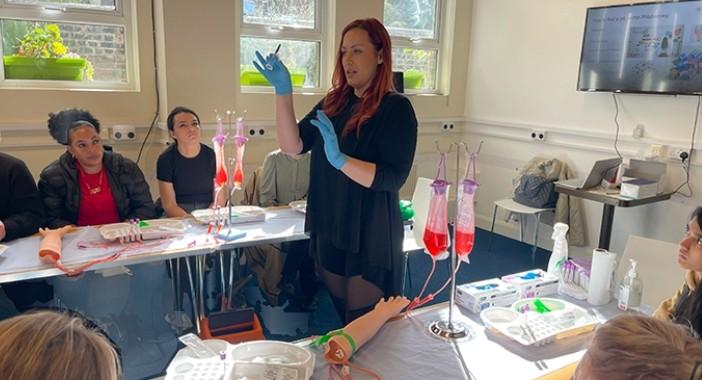
Starting a career in healthcare can be both exciting and rewarding. One of the fastest ways to enter the medical field is through phlebotomy training, a specialised skill focused on collecting blood samples for medical testing. With the increasing demand for diagnostic services across the UK, trained phlebotomists play an essential role in hospitals, clinics, GP surgeries, and laboratories.
If you are considering a phlebotomy training programme in London, understanding the step-by-step learning process will help you prepare for the course and build confidence in your future career.
This guide explains how phlebotomy training works, what you will learn, and how the training prepares you for real clinical environments.
What Is Phlebotomy Training?
Phlebotomy training teaches students how to collect blood samples from patients for diagnostic purposes safely. Medical professionals use these samples to detect diseases, monitor health conditions, and guide treatment decisions.
A structured training programme ensures students develop both theoretical knowledge and practical skills before working with patients.
During the course, you will learn:
- Human anatomy related to veins and blood circulation
- Safe blood collection techniques
- Infection control and patient safety
- Handling and labelling blood samples
- Communication with patients in clinical settings
Many students choose an Affordable phlebotomy course in London because it offers a practical pathway into healthcare without requiring years of study.
Why Choose Phlebotomy Training in London?
London offers excellent opportunities for healthcare education due to its large number of hospitals, clinics, and diagnostic laboratories.
Benefits of training in London include:
- Access to experienced healthcare trainers
- Modern clinical training facilities
- Exposure to diverse patient populations
- Better networking opportunities within the healthcare sector
Many training providers also offer flexible schedules, including weekend or short intensive courses.
Step-by-Step Learning Process in Phlebotomy Training
Understanding how the training progresses can help you feel more prepared before starting your course.
1. Introduction to Phlebotomy and Healthcare Basics
The training begins with an introduction to the role of a phlebotomist within the healthcare system.
Students learn about:
- The importance of blood testing in medical diagnosis
- Responsibilities of a phlebotomist
- Professional standards in clinical environments
- Ethical practices and patient confidentiality
Trainers also explain how phlebotomists collaborate with nurses, doctors, and laboratory staff.
This foundation helps students understand how their work contributes to patient care.
2. Learning Human Anatomy and Vein Structure
A strong understanding of anatomy is essential for safe blood collection.
During this stage of the training, students study:
- The circulatory system
- Vein locations suitable for venepuncture
- Differences between arteries, veins, and capillaries
- Identifying accessible veins for blood collection
Trainers often use diagrams, models, and demonstrations to help students visualise venous structure and understand how blood flows through the body.
3. Understanding Infection Control and Safety Procedures
Patient safety is a top priority in any healthcare setting. Therefore, infection prevention plays a major role in phlebotomy training.
Students learn:
- Proper hand hygiene techniques
- Use of personal protective equipment (PPE)
- Safe disposal of sharps and medical waste
- Preventing cross-contamination
- Maintaining sterile procedures during blood collection
These safety protocols protect both patients and healthcare professionals.
4. Introduction to Phlebotomy Equipment
Before performing blood draws, students must become familiar with the tools used in clinical settings.
Common equipment includes:
- Needles and vacutainer systems
- Tourniquets
- Alcohol swabs and antiseptics
- Blood collection tubes
- Sharps disposal containers
- Gauze and bandages
Students learn how to select the appropriate equipment for different blood tests and handle it safely.
5. Practising Venepuncture Techniques
Venepuncture is the process of drawing blood from a vein. This is one of the most important skills in phlebotomy training.
Training typically progresses through several stages:
Demonstration
The instructor demonstrates proper venepuncture technique, including patient positioning and needle insertion.
Practice on Training Arms
Students initially practise on artificial training arms designed to simulate real veins.
Supervised Practice
Once confident, students practise under instructor supervision to ensure correct technique and safety.
This step helps build precision, confidence, and professionalism.
6. Patient Communication and Care
A phlebotomist must interact with patients calmly and professionally.
Training includes guidance on:
- Greeting and reassuring patients
- Explaining procedures clearly
- Managing anxious or nervous patients
- Ensuring patient comfort during blood collection
- Handling difficult situations professionally
Strong communication skills improve patient experience and reduce stress during procedures.
7. Labelling and Handling Blood Samples
After collecting blood samples, correct handling is critical for accurate laboratory testing.
Students learn how to:
- Label samples correctly
- Prevent sample contamination
- Store blood samples safely
- Transport samples to laboratories
- Maintain proper documentation
Mistakes in this stage can affect test results, so accuracy is essential.
8. Understanding Different Blood Tests
Phlebotomy training also introduces students to common laboratory tests that require blood samples.
Examples include:
- Full blood count (FBC)
- Blood glucose testing
- Cholesterol testing
- Liver function tests
- Hormone testing
Understanding the purpose of these tests helps phlebotomists select the correct collection tubes and procedures.
9. Supervised Practical Training
The final stage of training focuses on supervised practical experience.
Students practise the full procedure:
- Preparing equipment
- Identifying the correct vein
- Performing venepuncture
- Collecting and labelling samples
- Providing aftercare to the patient
Instructors observe and guide students to ensure safe and accurate performance.
Completing an Affordable phlebotomy course in London with hands-on training ensures students gain the practical skills required for real healthcare settings.
Skills You Gain During Phlebotomy Training
By the end of the training programme, students develop several valuable skills.
These include:
- Safe venepuncture techniques
- Patient communication and reassurance
- Infection control practices
- Clinical professionalism
- Attention to detail in sample handling
These skills prepare graduates for roles in hospitals, clinics, and laboratories.
Career Opportunities After Phlebotomy Training
After completing training, graduates can explore various healthcare opportunities.
Common workplaces include:
- NHS hospitals
- Private clinics
- Diagnostic laboratories
- GP surgeries
- Blood donation centres
Phlebotomy can also serve as a stepping stone into other healthcare careers such as nursing, laboratory science, or medical assisting.
Conclusion
Phlebotomy training provides a structured and practical pathway into the healthcare industry. Through a step-by-step learning process, students gain both theoretical knowledge and hands-on experience in blood collection, patient care, and clinical safety.
From learning anatomy to performing supervised venepuncture, each stage of training builds the skills needed to work confidently in medical environments.
For individuals seeking a fast and practical healthcare qualification, enrolling in a professional training programme can open doors to rewarding career opportunities across hospitals, clinics, and laboratories.
FAQs
1. How long does phlebotomy training take in London?
Most phlebotomy courses in London take between 1 day and several weeks, depending on the training provider and level of practical training included.
2. Do I need healthcare experience to take a phlebotomy course?
No. Many phlebotomy courses are designed for beginners with no previous healthcare experience.
3. Is phlebotomy training difficult?
Phlebotomy training is generally easy to learn with practice, especially when students receive hands-on guidance from experienced instructors.
4. Can I work in the NHS after completing phlebotomy training?
Yes. After gaining training and experience, many phlebotomists apply for roles within NHS hospitals, GP practices, and diagnostic laboratories.
5. How much does a phlebotomy course cost in London?
The cost varies depending on the training provider, but many institutes offer affordable courses ranging from £150 to £600.