
The global textile industry is undergoing a major transformation as manufacturers and consumers increasingly prioritize sustainability, environmental responsibility, and natural materials. Conventional synthetic fibers and even traditional cotton production often carry significant environmental costs, including water consumption, chemical processing, and microplastic pollution.
In response to these challenges, researchers and textile innovators are exploring renewable plant-based fibers that offer both ecological and functional benefits. Among these emerging materials, Banana fiber yarn has gained increasing attention due to its unique combination of sustainability, performance, and versatility.
Derived from the pseudo-stem of banana plants—a part traditionally considered agricultural waste—banana fiber provides a renewable and biodegradable raw material for textile production. Companies such as ASIN are helping bring this innovative fiber into mainstream textile manufacturing by developing high-quality banana fiber yarn suitable for a wide range of applications.
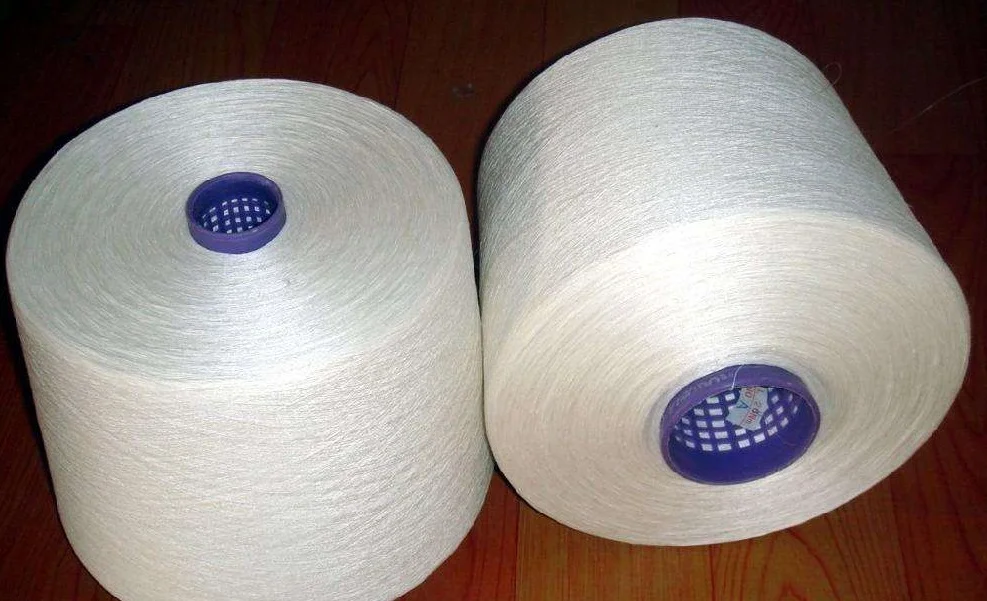
What Is Banana Fiber Yarn?
Banana fiber yarn is a natural textile fiber extracted from the pseudo-stem of the banana plant after the fruit harvest. Instead of discarding the plant residue, the fibers are processed and spun into yarn for use in textile manufacturing.
Historically, banana fibers have been used in traditional fabrics in parts of Asia for centuries. However, modern textile engineering has significantly improved fiber extraction techniques, spinning processes, and yarn consistency, enabling banana fibers to meet contemporary industrial standards.
The result is a 100% natural, biodegradable yarn that combines environmental sustainability with functional textile performance.
Key Characteristics of Banana Fiber Yarn
The growing popularity of banana fiber yarn is largely due to its distinctive material properties, which make it suitable for both fashion and technical textile applications.
100% Natural and Biodegradable
One of the most significant advantages of banana fiber yarn is its environmentally friendly composition.
Unlike synthetic fibers such as polyester or nylon, banana fiber is:
-
Completely plant-based
-
Biodegradable
-
Renewable and sustainable
Because the fiber is derived from agricultural waste, its production does not require additional land or intensive cultivation. This significantly reduces the environmental footprint of textile manufacturing.
Companies like ASIN focus on producing banana fiber yarn that maintains its natural integrity while meeting modern quality standards, making it an attractive option for eco-conscious textile brands.
Lightweight Structure for Comfortable Textiles
Another key advantage of banana fiber yarn is its exceptionally light weight. The natural microstructure of the fiber allows it to maintain strength while remaining lightweight.
This property makes it particularly suitable for:
-
Apparel fabrics
-
Summer clothing
-
Lightweight home textiles
-
Blended yarn applications
Lightweight fibers enhance wearing comfort and garment performance, especially in warm climates where breathable materials are essential.
Superior Moisture Absorption and Release
Moisture management is one of the most important factors influencing textile comfort. Banana fiber yarn demonstrates excellent moisture absorption and release capabilities, which contribute to improved fabric performance.
The fiber structure allows it to:
-
Absorb moisture from the skin
-
Release moisture quickly into the surrounding environment
-
Maintain a dry and comfortable feel during use
These properties make banana fiber yarn particularly well suited for activewear, casual clothing, and summer garments, where moisture regulation is essential.
Excellent Air Permeability and Heat Dissipation
Breathability is another major performance advantage of banana fiber yarn.
Due to its porous natural structure, fabrics made from banana fiber allow efficient air circulation. This provides several functional benefits:
-
Enhanced airflow through the fabric
-
Improved heat dissipation
-
Reduced heat accumulation on the skin
These features help maintain thermal comfort, particularly in hot or humid environments.
For manufacturers seeking to produce breathable and comfortable textiles, banana fiber yarn offers a natural alternative to synthetic performance fibers.
Natural Anti-Bacterial Properties
One of the most valuable characteristics of banana fiber yarn is its naturally occurring anti-bacterial properties.
Natural plant fibers often contain bioactive compounds that inhibit the growth of certain microorganisms. Banana fiber exhibits this property, which helps reduce:
-
Odor formation
-
Bacterial growth on textiles
-
Hygiene-related issues in fabrics
This natural anti-bacterial function allows manufacturers to reduce reliance on chemical antimicrobial treatments, supporting more sustainable textile processing.
The Manufacturing Process of Banana Fiber Yarn
Producing high-quality banana fiber yarn requires several carefully controlled steps.
Fiber Extraction
After banana fruits are harvested, the pseudo-stem of the plant is processed to extract long natural fibers.
Mechanical extraction methods separate the fibers from the plant tissue while preserving their strength and structure.
Fiber Processing
The extracted fibers are then cleaned, dried, and treated to improve flexibility and spinnability.
Spinning
The processed fibers are spun into yarn using specialized spinning technologies designed to handle natural fibers.
Manufacturers such as ASIN apply advanced processing techniques to ensure that the resulting yarn offers consistent quality, strength, and usability for industrial textile applications.
Applications of Banana Fiber Yarn in the Textile Industry
Due to its versatile properties, banana fiber yarn is increasingly used across multiple sectors of the textile industry.
Apparel and Fashion
Designers are incorporating banana fiber yarn into sustainable fashion collections, producing garments such as:
-
Shirts
-
Dresses
-
Lightweight jackets
-
Knitwear
Home Textiles
Banana fiber yarn can also be used in:
-
Curtains
-
Upholstery fabrics
-
Decorative textiles
Blended Fabrics
To enhance durability and texture, banana fibers are often blended with other natural fibers such as:
-
Cotton
-
Linen
-
Silk
These blends combine sustainability with improved fabric performance.
Conclusion
As sustainability becomes a defining priority in the global textile sector, Banana fiber yarn is emerging as an innovative material with remarkable environmental and functional advantages.
Its biodegradability, lightweight structure, moisture management, breathability, and natural antibacterial properties make it a compelling choice for modern textile applications.
With continued technological development and industry adoption, banana fiber yarn—supported by forward-thinking manufacturers like ASIN—is poised to play an important role in the future of sustainable textile manufacturing.
http://www.asinyarn.com/exploring-the-benefits-of-banana-fiber-yarn-in-eco-friendly-fashion.html