
Endoscopes have revolutionized modern medical practice, enabling minimally invasive surgeries and detailed internal examinations. These indispensable tools play a pivotal role in various medical specialties, from gastroenterology to urology and beyond. However, the effectiveness and safety of endoscopes depend heavily on their optical performance and overall quality. Ensuring that these devices meet rigorous standards before they reach the market is crucial for maintaining patient safety and trust in medical technology.
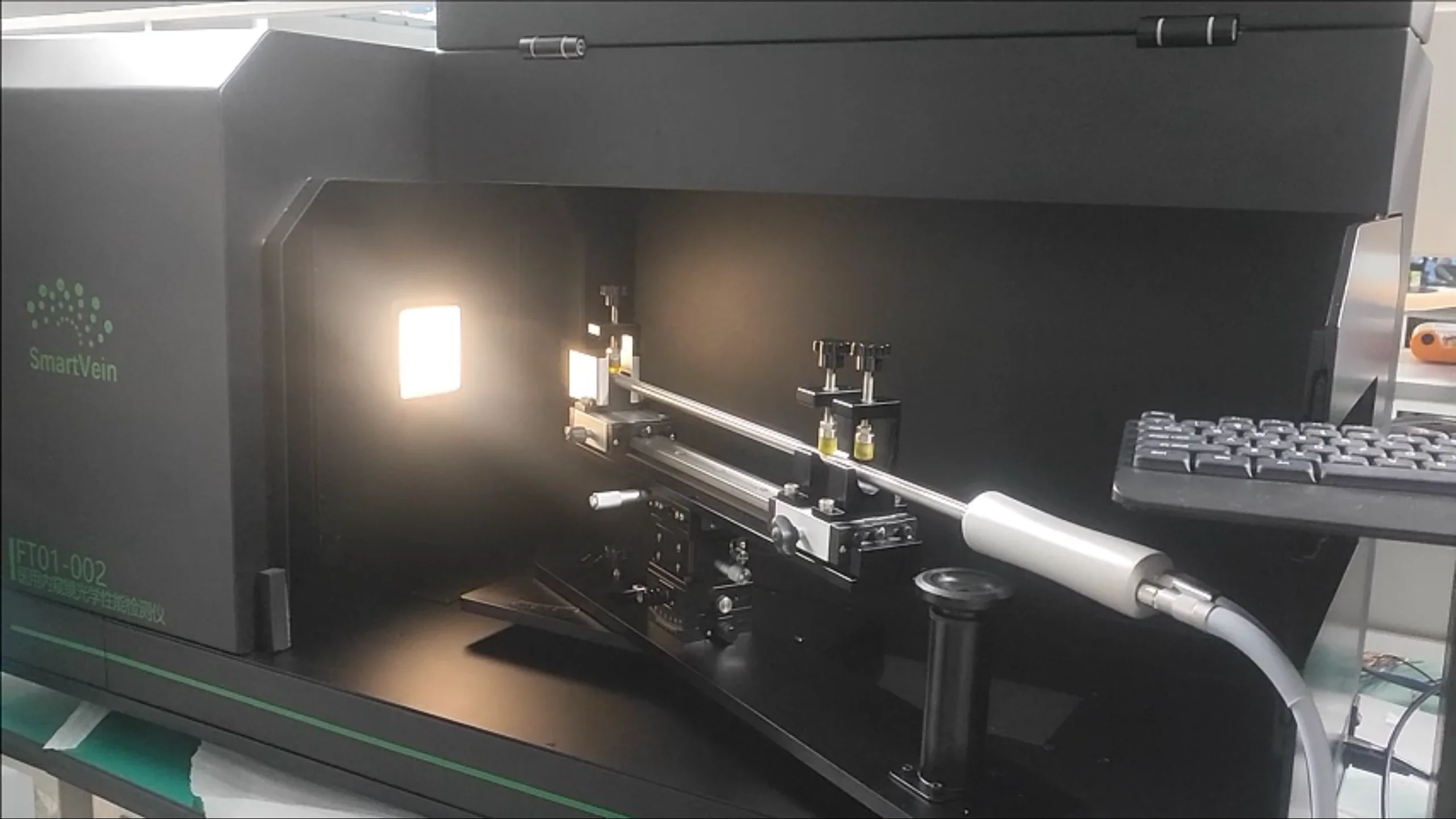
The Significance of Optical Performance Testing
Endoscopes as Essential Medical Tools
Endoscopes are indispensable tools in modern medical practice. They allow doctors to visualize internal organs and structures without the need for extensive surgery, significantly reducing recovery time and complications for patients. The accuracy of medical diagnosis and the subsequent treatment plans often hinge on the clarity and precision of the endoscope's images.
Direct Impact on Patient Health
The optical performance of an endoscope directly affects the health of patients. If the images are distorted, blurred, or contain artifacts, doctors may misdiagnose conditions, leading to inappropriate treatment and potential harm to the patient. Conversely, high-quality images enable accurate assessments, leading to better treatment outcomes.
Importance of Rigorous Testing
Given the critical role of endoscopes in medical procedures, it is imperative to conduct thorough optical performance testing before these devices are deemed ready for market. This testing ensures that each endoscope meets the necessary standards for clarity, resolution, and distortion-free imaging.
Key Components of Endoscope Finished Product Inspection
Optical Performance Testing
The cornerstone of endoscope finished product inspection is optical performance testing. This involves evaluating various aspects of the endoscope's imaging capabilities, including:
-
Resolution: Assessing the ability of the endoscope to distinguish fine details in an image. High resolution is crucial for accurate diagnosis and treatment planning.
-
Distortion: Checking for any geometric distortion in the images, such as barrel or pincushion distortion, which can affect the interpretation of the images.
-
Color Accuracy: Ensuring that the endoscope reproduces colors correctly, as color variations can alter the appearance of tissues and structures.
-
Depth of Field: Evaluating the range of distances over which the endoscope can produce sharp images. A good depth of field allows for better visualization of different planes within the body.
Mechanical and Structural Integrity
In addition to optical performance, it is also essential to test the mechanical and structural integrity of the endoscope. This includes:
-
Durability Testing: Assessing the endoscope's resistance to wear and tear, ensuring it can withstand repeated use and sterilization processes.
-
Leak Testing: Verifying that the endoscope is waterproof and can be safely used in wet environments without risking damage or leakage.
-
Ergonomic Evaluation: Ensuring that the endoscope is designed for comfortable and efficient use by medical professionals, minimizing fatigue and improving overall usability.
Electrical Safety and Compliance
Electrical safety testing is another critical aspect of endoscope finished product inspection. This involves:
-
Insulation Resistance Testing: Measuring the resistance of the endoscope's electrical insulation to ensure it can safely handle electrical currents.
-
Ground Continuity Testing: Verifying that the endoscope's grounding system is intact and functioning correctly to prevent electrical shock hazards.
-
Compliance with Regulatory Standards: Ensuring that the endoscope meets all relevant regulatory requirements for electrical safety, such as those set by the FDA or CE marking.
The Benefits of Endoscope Finished Product Inspection
Enhanced Patient Safety
The most significant benefit of endoscope finished product inspection is improved patient safety. By ensuring that each endoscope meets rigorous optical and structural standards, medical professionals can rely on accurate and reliable images during diagnosis and treatment. This reduces the risk of misdiagnosis and inappropriate treatment, ultimately leading to better patient outcomes.
Increased Equipment Reliability
Endoscope finished product inspection also enhances the reliability of the equipment. By identifying and addressing any defects or issues before the endoscope reaches the market, manufacturers can reduce the likelihood of failures or malfunctions during use. This not only improves patient safety but also reduces the cost of repairs and replacements for healthcare providers.
Improved Medical Outcomes
The accuracy and reliability of endoscope images have a direct impact on medical outcomes. High-quality images enable doctors to make more informed decisions about diagnosis and treatment, leading to more effective and efficient care. This can result in shorter hospital stays, faster recovery times, and better overall patient satisfaction.
Conclusion
In conclusion, SmartVein Medical Technology endoscope finished product inspection is a crucial step in ensuring the safety and effectiveness of these indispensable medical tools. By focusing on optical performance testing and addressing all aspects of the endoscope's design and functionality, manufacturers can produce high-quality devices that meet the needs of medical professionals and patients alike. With rigorous inspection and testing protocols in place, healthcare providers can trust in the accuracy and reliability of their endoscopes, ultimately leading to better patient outcomes and improved medical care.