
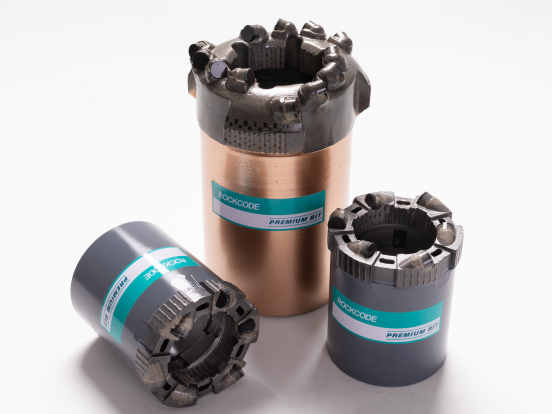
Discover how advanced diamond drill bit design optimizes borehole stability and prevents hole caving and packing in complex geological exploration environments.
In geological exploration, maintaining borehole stability is the foundation of a successful drilling operation. Understanding the mechanical and chemical challenges of complex environments is essential to reducing downtime and operational costs. Drawing from technical analysis of geotechnical well drilling, this article explores the primary causes of hole caving and packing—two of the most persistent hurdles in the industry. Today, we discuss an article about how advanced diamond drill bit design optimizes borehole stability and prevents hole caving and packing in complex geological exploration environments. [1]
Evaluating Rock Stability and Hole Caving
Hole caving and collapse are frequently driven by borehole instabilities stemming from in-situ rock stress. To quantify this, engineers use the cavernosity ratio  which compares the actual hole volume
  to the calculated volume
  based on the drill bit diameter. When
 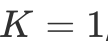 the rock is stable; however, in unstable formations like the sand and clay deposits found in South Kazakhstan,
  values can exceed 3.7, indicating a high risk of collapse.
The stability of the borehole wall depends on whether the mud hydrostatic head and the rock’s tensile strength can counteract the horizontal stress. Horizontal stress is directly dependent on overburden stress, which is defined by rock density, formation depth, and gravity. Generally, a borehole fails when horizontal stress exceeds the combined resistance of the rock's tensile strength and the hydrostatic mud head.
The Impact of Mud-Rock Interaction
Beyond mechanical stress, the interaction between drilling fluid and the formation plays a critical role. When drilling through clay-heavy strata, moisture content determines the "swelling potential". In "strongly swelling clays," the pressure and fluid interaction destroy the cement bond between clay platelets (clay dispersion). The clay becomes ductile and is pushed by the overburden stress into the wellbore, creating large caves. Case studies show that even when hydrostatic head theoretically exceeds horizontal stress, caves can still develop due to chemical reactions that alter the rock's physical properties.
Technical Drivers: Bit Selection and Jet Velocity
Technical decisions, specifically bit selection and penetration rates, often inadvertently contribute to hole caving. Research indicates a massive disparity in drilling rates between soft rock (15-20 m/hr) and hard rock (0.2-0.3 m/hr). When a drill bit penetrates a hard rock formation after a soft layer, the penetration rate drops drastically, which in turn increases mudflow intensity near the drill bit. This excessive bit jet velocity leads to "washout" problems, where the hole diameter enlarges significantly beyond the intended tool size.
Addressing the Problem of Packing
Hole caving often leads to a secondary, equally severe issue: packing. When a large cave forms, the velocity of the returning drilling mud drops sharply. This causes cuttings to accumulate rather than being carried to the surface. When the pump stops, these cuttings fall back, often resulting in "pack-off" in tight sections of the hole, leading to stuck pipes or preventing logging tools from reaching target depths. Furthermore, certain chemical coagulators used to prevent clay dispersion can cause "clay balls" to form, which further obstruct the hole and increase torque and power consumption.
Managing hole caving and packing requires a deep understanding of overburden stress, mud chemistry, and bit hydraulics. Successfully navigating these challenges is vital for efficiency.
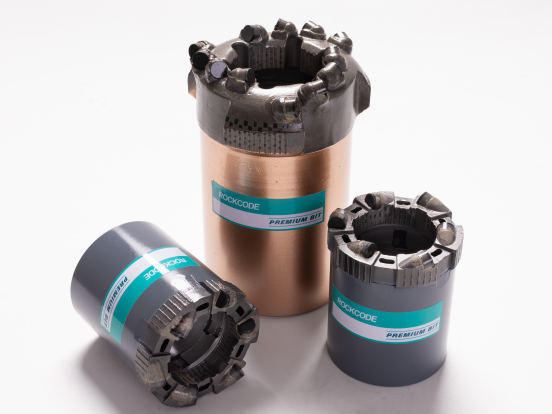
At ROCKCODE (https://www.rockcodebit.com/), we apply these technical insights to our manufacturing process. Our diamond drill bits and PDC bits are designed to balance hydraulic performance with structural durability, helping to mitigate the risks of excessive jet velocity and washout in transitioning formations. By providing professional-grade tools engineered for complex geological environments, we help our clients minimize operational risks and ensure borehole integrity.
→ For more information about ROCKCODE’s Products, please visit: https://www.rockcodebit.com/geotechnical-core-bits
→ Email us at: info@rockcodebit.com
→ Information in this article is for general reference only. For specific drilling projects and drilling bits, please consult qualified professionals. Thank you.
Source:
[1]Kasenov, AK et al, ‘Problem Analysis of Geotechnical Well Drilling in Complex Environment’ (2015) 24(1) IOP conference series. Earth and environmental science