
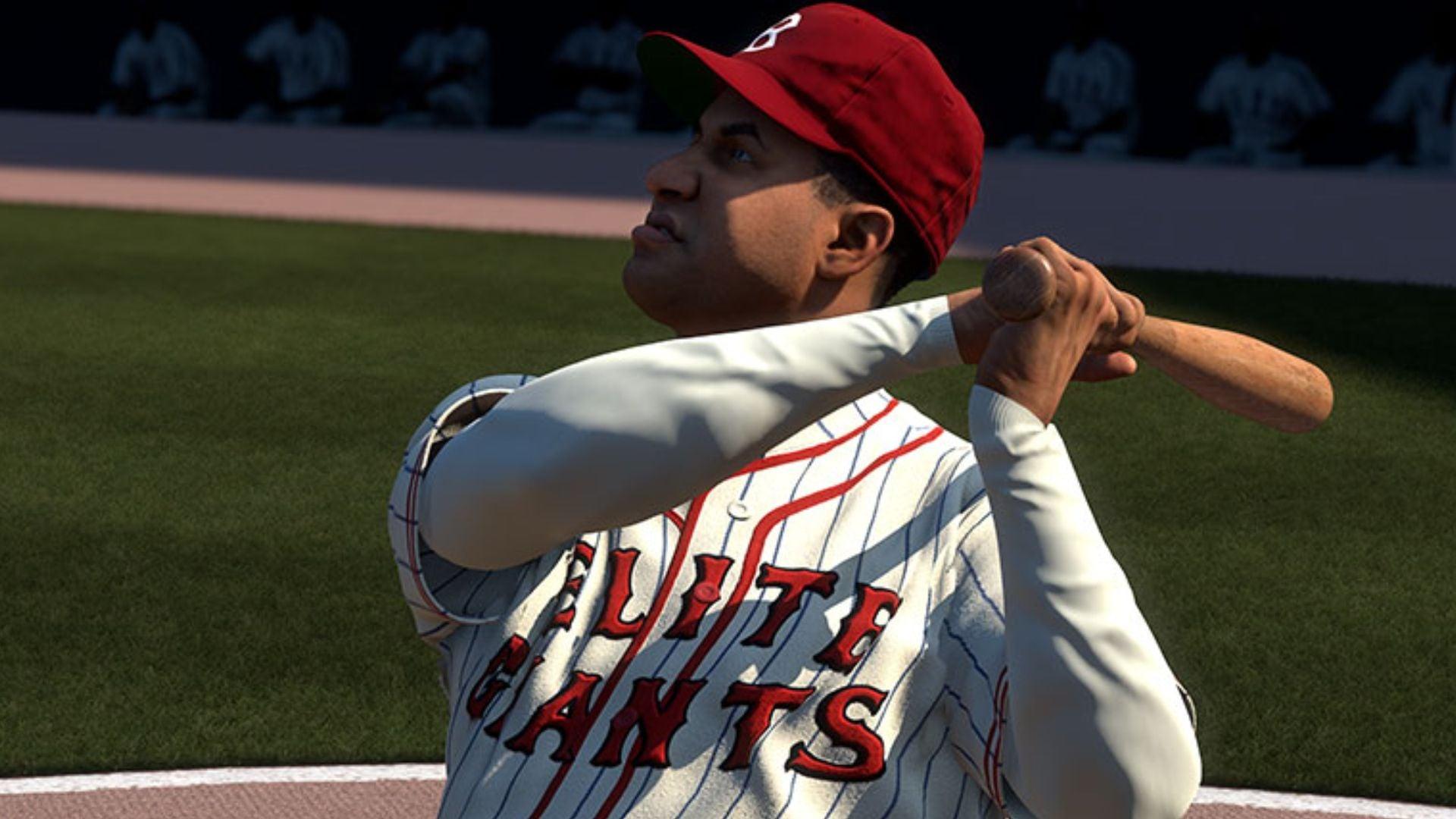
Anyone who's played this series for years knows the yearly debate. Is it really a new game, or just a fresh MLB The Show 26 roster with a different number on the box? After a lot of time with MLB The Show 26, I don't think that criticism lands as cleanly this time. It still feels familiar, sure, but in a good way. The core baseball is sharp, responsive, and confident. What's changed is the stuff around it. San Diego Studio didn't chase some flashy overhaul. Instead, it tightened the modes people actually live in and made the whole package feel more considered from inning one to season one hundred.
Road to the Show feels more personal
The biggest win for me is Road to the Show. In past years, the mode could get stale once your player settled into the majors and the routine kicked in. That early climb didn't always mean much. Now it does. Starting out with college games and amateur showcases gives your player a real backstory. You're not just spawning into pro ball as a blank slate. You've already had rough outings, hot streaks, and those little moments where you start thinking, alright, this guy might actually become something. Because of that, the jump to the minors and then the big leagues carries more weight. You notice the growth more. You care more.
On-field play is tighter when the pressure rises
Once the game starts, MLB The Show 26 feels locked in. The new Big Zone Hitting and Bear Down Pitching mechanics don't turn baseball into an arcade mess, which was my worry at first. They mostly make big moments feel bigger. You feel the tension with runners on, and getting out of a jam actually feels earned instead of scripted. The ability to challenge balls and strikes is another smart addition. It sounds small until you're in a late-game spot and an ump misses one badly. Suddenly there's this extra layer of strategy and emotion. It's not just about swinging or pitching well. It's about handling the kind of frustration real baseball creates.
More reasons to stick with every mode
Elsewhere, the game shows more awareness of what different players want. Diamond Dynasty gets a nice boost from the World Baseball Classic content, and the added card tiers help keep lineups from looking identical after a week. There's more room to experiment, which that mode badly needed. Franchise also feels less like a neglected extra and more like a proper long-haul mode again. Trade logic is smarter. Roster management makes more sense. Bullpen decisions can go sideways fast, just like in real life, and that's honestly part of the appeal. Not everything's been transformed, and the visuals haven't made some massive leap, but the day-to-day experience is better across the board.
Why this year's version sticks
That's really why MLB The Show 26 works. It understands that baseball fans notice details more than marketing buzz. We notice pacing, mode depth, roster logic, pressure at the plate, all of it. This year's game respects that. It's not trying to fool anyone with surface-level change. It just plays better, and over time that matters more than a shiny trailer. If you're the sort of player who gets hooked on long saves, lineup tweaks, or building a squad card by card, it's easy to see why people stay invested, and sites like U4GM naturally come up when players are looking for game currency, items, and a quicker way to keep their favourite modes moving.