
As the global textile industry moves toward sustainability, manufacturers and designers are actively searching for innovative fibers that reduce environmental impact while maintaining high performance. One material that is gaining significant attention is pineapple fiber yarn, a natural textile fiber derived from pineapple leaves.
Unlike synthetic fibers, pineapple-based yarn offers a unique combination of sustainability, functionality, and comfort. Lightweight, breathable, and naturally antibacterial, it represents an emerging solution for eco-friendly fabrics used in fashion, home textiles, and technical applications.
Forward-thinking textile innovators such as ASIN are advancing the development and commercialization of high-quality pineapple fiber yarn, enabling brands to integrate sustainable materials into modern textile production.
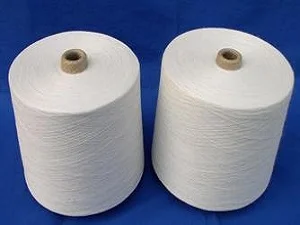
What Is Pineapple Fiber Yarn?
Pineapple fiber yarn is produced from fibers extracted from the leaves of the pineapple plant (Ananas comosus). Traditionally considered agricultural waste, these leaves are now being repurposed into valuable textile fibers through advanced processing techniques.
After extraction, the fibers undergo cleaning, degumming, drying, and spinning processes to create durable and flexible yarn suitable for weaving or knitting.

Sustainability Advantage: A 100% Natural and Biodegradable Fiber
One of the most compelling characteristics of pineapple fiber yarn is its environmental sustainability.
Utilization of Agricultural Byproducts
Pineapple plants are cultivated worldwide for fruit production, generating large quantities of leaves as agricultural waste. Traditionally, these leaves were discarded or burned, contributing to environmental pollution.
By transforming pineapple leaves into textile fibers, manufacturers create a circular resource economy where waste becomes a valuable raw material.
Fully Biodegradable Material
Unlike synthetic fibers such as polyester or nylon, pineapple fiber yarn is:
-
100% natural
-
biodegradable
-
environmentally friendly
This means that products made from pineapple yarn can decompose naturally at the end of their lifecycle, reducing long-term environmental impact.
Companies such as ASIN are actively promoting pineapple fiber as a sustainable alternative within the global textile supply chain.
Lightweight Performance: Ideal for Modern Textile Applications
Weight is an important factor in textile performance, especially for clothing, sportswear, and summer fabrics.
Pineapple fiber yarn is exceptionally lightweight, making it ideal for fabrics that prioritize comfort and breathability.
Benefits of Lightweight Yarn
-
Reduced fabric weight
-
Increased wearing comfort
-
Improved flexibility in garment design
-
Lower transportation energy costs
Lightweight materials also support the development of performance textiles, particularly in activewear and travel apparel.
The advanced spinning technologies adopted by ASIN ensure consistent yarn structure while maintaining the natural lightness of pineapple fibers.
Superior Moisture Absorption and Release
Another major advantage of pineapple fiber yarn is its excellent moisture management capability.
Natural fibers often outperform synthetic materials in absorbing and releasing moisture, and pineapple fiber is no exception.
Moisture Management Benefits
-
Rapid absorption of sweat
-
Efficient moisture evaporation
-
Reduced skin discomfort
-
Improved thermal comfort
These properties make pineapple yarn particularly suitable for summer garments, sports textiles, and breathable fabrics.
For manufacturers seeking high-performance eco-friendly fibers, ASIN provides pineapple yarn options engineered for optimal moisture regulation.
Excellent Air Permeability and Heat Dissipation
Comfort in textiles is closely related to airflow and heat dissipation. Pineapple fiber yarn naturally forms yarn structures that allow air circulation through the fabric.
Key Thermal Comfort Properties
High air permeability
Allows fresh air to circulate freely through the fabric.
Effective heat dissipation
Helps regulate body temperature in warm climates.
Reduced humidity accumulation
Keeps garments dry and comfortable.
These characteristics make pineapple fiber yarn ideal for:
-
tropical climate clothing
-
casual summer apparel
-
eco-friendly activewear
-
breathable home textiles
With advanced yarn processing capabilities, ASIN supports textile producers in creating fabrics that balance sustainability with functional performance.
Natural Antibacterial Properties
One of the most attractive features of pineapple fiber yarn is its natural antibacterial capability.
Certain plant-based fibers contain natural compounds that inhibit bacterial growth, helping to maintain hygiene in textile products.
Advantages of Antibacterial Fibers
-
Reduced odor formation
-
Improved fabric freshness
-
Enhanced hygiene in garments
-
Suitable for skin-sensitive users
This property makes pineapple yarn suitable for applications such as:
-
sportswear
-
underwear
-
medical textiles
-
baby clothing
By combining natural antibacterial performance with sustainability, ASIN helps textile manufacturers develop next-generation eco-conscious fabrics.
Applications of Pineapple Fiber Yarn in Modern Textiles
Due to its unique properties, pineapple fiber yarn is increasingly used across multiple textile sectors.
Sustainable Fashion
Eco-conscious fashion brands are incorporating pineapple fibers into garments to reduce reliance on synthetic materials.
Home Textiles
Breathable, lightweight fabrics made from pineapple yarn are suitable for curtains, bedding, and upholstery.
Technical Textiles
Blended pineapple fibers can enhance the performance of fabrics used in specialized applications.
Eco-Friendly Accessories
Bags, hats, scarves, and lifestyle products benefit from pineapple yarn’s sustainability appeal.
Through innovative fiber processing and sustainable sourcing, ASIN continues to expand the possibilities for pineapple fiber yarn in global textile markets.
Conclusion
The emergence of pineapple fiber yarn marks a significant step toward sustainable textile innovation. Derived from agricultural waste yet offering excellent functional performance, this natural fiber represents a compelling alternative to conventional synthetic materials.
Its lightweight structure, superior moisture absorption, air permeability, and natural antibacterial properties make it suitable for a wide range of textile applications.
As sustainability becomes a central focus in the textile industry, companies like ASIN are helping shape the future of eco-friendly manufacturing by promoting advanced pineapple fiber yarn solutions.