
In today’s material processing industry, achieving precise particle size reduction and uniform dispersion is critical for product quality. From pharmaceuticals to cosmetics and food production, consistency at the microscopic level directly impacts performance and stability.
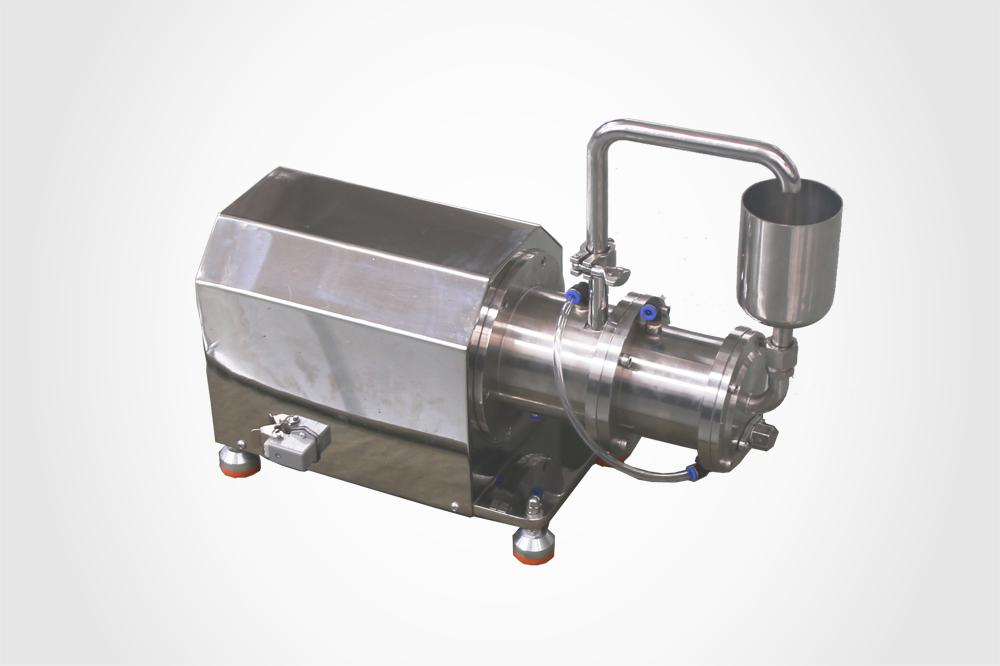
Among the most effective tools used in R&D and small-batch production is the lab horizontal bead mill. This equipment has become a key solution for researchers and manufacturers seeking high-efficiency grinding and dispersion.
Companies like Rucca are continuously improving bead mill technology to meet the growing demands of modern laboratories.
What Is a Lab Horizontal Bead Mill?
A lab horizontal bead mill is a grinding and dispersion device that uses shear force and impact energy to reduce particle size and achieve uniform distribution.
Compared to traditional vertical designs, the horizontal structure allows smoother material flow and more efficient processing.
A typical system includes:
- Grinding chamber
- Agitator system
- Grinding beads (various sizes and materials)
These components work together to break down particles and create stable, fine dispersions.
Key Advantages of Lab Horizontal Bead Mills
1. Superior Dispersion Quality
One of the biggest advantages of bead milling is its ability to produce highly uniform particle distribution.
This is especially important in industries such as:
- Paints and coatings
- Inks and pigments
- Specialty chemical formulations
The strong shear forces inside the chamber help process even difficult materials consistently.
2. Wide Industrial Applications
Lab horizontal bead mills are highly versatile and used across multiple industries:
- Pharmaceuticals – fine suspensions and emulsions for drug formulations
- Cosmetics – smooth creams, lotions, and active ingredient dispersion
- Food processing – stable emulsions and ingredient blending
Their flexibility makes them a core tool in both R&D and production environments.
3. Energy Efficiency
Modern bead mills are designed with energy optimization in mind. Advanced engineering reduces unnecessary power loss while maintaining high processing efficiency.
This leads to:
- Lower operational costs
- Improved energy utilization
- More sustainable production processes
4. Easy Scalability
One of the key benefits for R&D teams is scalability. Processes developed in laboratory-scale bead mills can often be transferred to industrial production with minimal adjustments.
This helps companies:
- Accelerate product development
- Reduce scale-up risks
- Shorten time-to-market
How to Choose the Right Lab Horizontal Bead Mill
Selecting the right equipment depends on several technical factors:
Material Compatibility
The choice of grinding media and chamber materials should match the properties of the product being processed.
- Ceramic beads → hard materials
- Glass beads → softer formulations
Adjustable Process Control
Machines with adjustable speed and flow control allow users to fine-tune grinding conditions for different materials and outcomes.
Cleaning and Maintenance
Since bead mills are often used for multiple formulations, easy disassembly and cleaning are essential to avoid cross-contamination and reduce downtime.
Innovation in Bead Milling Technology
Manufacturers like Rucca are continuously advancing bead mill technology. Recent improvements include:
- Smart monitoring systems for real-time process control
- Enhanced energy efficiency designs
- Improved durability and wear resistance
These innovations help laboratories maintain consistent product quality while improving operational efficiency.
Additionally, strong technical support ensures users can optimize milling parameters for different applications.
Final Thoughts
The lab horizontal bead mill has become an indispensable tool in modern material science and industrial formulation. Its ability to deliver fine, uniform dispersions with high efficiency makes it essential for industries where precision matters.
With ongoing innovation from manufacturers like Rucca, bead milling technology continues to evolve—offering better performance, improved sustainability, and greater flexibility for research and production teams.