
In modern mineral exploration and mining operations, the mining drill bit plays a central role in determining drilling efficiency, operational cost, and data reliability. Whether the objective is blast hole drilling, resource verification, or deep geological investigation, the choice of drill bit directly affects project outcomes.
What Mining Drill Bits Actually Do
Mining drill bits are tools used to drill or dig the earth's surface for mining operations. They are also used to dig holes in stones or rocks for mining purposes. Beyond simple excavation, these drills are primarily used to drill holes in the earth's surface to place explosives for blasting. This blasting application is critical in both surface and underground mining, as it allows operators to break large rock masses into manageable pieces for extraction.
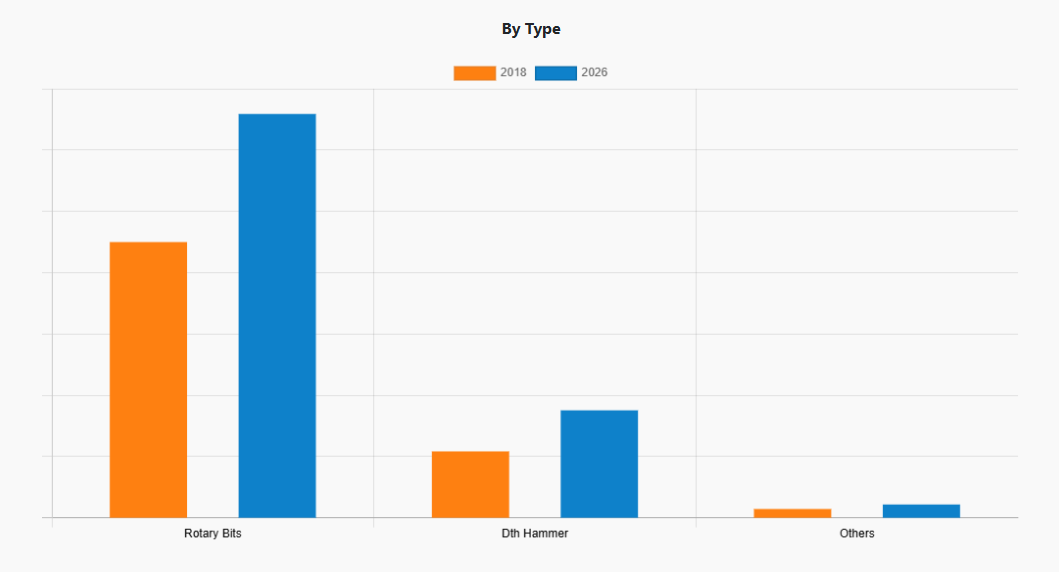
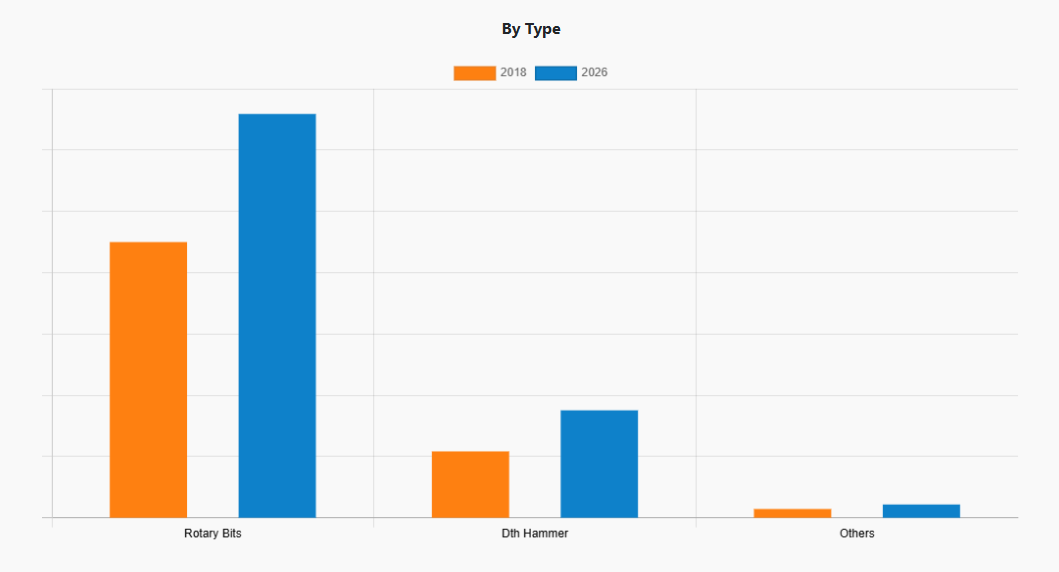
The market size for these tools is quite substantial. According to Allied Market Research, the global mining drill bits market was valued at $1.145 billion in 2018 and is projected to reach $1.7118 billion by 2026, exhibiting a compound annual growth rate (CAGR) of 5.1% between 2019 and 2026. This steady growth reflects the sustained global demand for mineral extraction.[1]
The Two Main Categories: Rotary Bits and DTH Bits
Industry reports typically divide mining drill bits into two broad categories: rotary drill bits and DTH (down-the-hole) hammer bits. Each category serves different applications and formation types.
Rotary Drill Bits
Rotary drill bits work by applying continuous rotational force and weight to the bit. In 2018, the rotary drill bits segment accounted for approximately 79.1% of the global mining drill bits market share. This category includes:
-
PDC Bits (Polycrystalline Diamond Compact Bits) – Fixed-cutter bits that use synthetic diamond cutters to shear rather than crush rock. The IADC also maintains a classification system for fixed-cutter bits, which includes criteria such as body material, cutter type, bit profile, face design, and cutter size/density . In softer to medium-hard formations, PDC bits typically deliver higher rates of penetration (ROP) than tricone bits.
-
Diamond Bits (Surface-Set and Impregnated) – For geological exploration and hard rock drilling, diamond bits are where precision meets extreme durability. At ROCKCODE, we specialize in impregnated diamond core bits, which are designed with multiple layers of synthetic diamonds embedded throughout a sintered matrix. As the matrix wears down during drilling, fresh, sharp diamonds are continuously exposed—a self-renewing mechanism that maintains cutting efficiency in hard and abrasive formations. This makes impregnated bits particularly effective for mineral exploration and deep core drilling applications.
DTH Hammer Bits (Down-the-Hole Bits)
DTH drilling works differently. The hammer sits directly behind the bit, delivering percussive blows while the bit rotates. This combination of impact and rotation is particularly effective for hard, brittle rock in mining and quarrying applications.
The DTH hammers bits segment is expected to witness significant growth during the forecast period. For deep holes requiring straight trajectories and hard rock conditions, DTH bits often outperform rotary alternatives.
Drill Bit Sizes and Applications
Drill bits come in different sizes—from bits less than 150 mm to those more than 300 mm. The right size depends on your operation:
| Bit Size | Typical Application |
| Up to 150 mm | Small to medium production holes, exploration drilling |
| 151–200 mm | Standard production holes |
| 201–250 mm | Large production holes |
| 251–300 mm | High-volume blasting |
| Above 300 mm | Very large bench drilling |
Beyond the Bits: The Complete Drill String
While the drill bit gets most of the attention, a successful drilling operation depends on the entire drill string. Rotary drilling involves not just the bit but also stabilizers (which maintain hole straightness), subs (which connect components of different sizes or thread types), and proper casing equipment.
This is where having a complete understanding of your tooling matters. A high-quality bit paired with inadequate casing will still underperform. At ROCKCODE, we manufacture diamond coring bits for geological exploration, and we also offer casing rods and casing shoes designed to work properly with our bits. You can review our casing rod and shoe series here.
Selecting the Right Bit for Your Formation
The selection process starts with understanding your rock. Different matrix formulations work for different rock types—hardness (measured on the Mohs scale or as uniaxial compressive strength), abrasiveness (quartz content), and formation integrity all play a role.
For hard, abrasive formations, impregnated diamond bits are often the right choice because their self-sharpening mechanism maintains performance over long drilling runs. For softer to medium formations, PDC bits may offer better cost efficiency.
The mining drill bits market continues to expand, driven by mining activities around the globe due to increasing demand for coal, metal, and minerals. Asia-Pacific dominated the global market in 2018, accounting for around 48.7% of revenue. With expansion of existing mines in developing countries such as China and India, the market shows no signs of slowing.
Conclusion
Selecting the right mining drill bit is a technical decision that directly impacts project efficiency and cost control. While multiple bit types exist, diamond core bits remain the backbone of geological exploration drilling due to their precision and adaptability.
From a manufacturer’s perspective, success in this field is not only about producing tools, but about understanding geology, application scenarios, and long-term customer needs.
For companies engaged in exploration projects or drilling service operations, a systematic approach to bit selection, combined with reliable supply, is essential for sustainable performance.
→ For more information about ROCKCODE’s Products, please visit: https://www.rockcodebit.com/geotechnical-core-bits
→ Email us at: info@rockcodebit.com
→ Information in this article is for general reference only. For specific drilling projects and drilling bits, please consult qualified professionals. Thank you.
Source:
1.https://www.alliedmarketresearch.com/mining-drill-bits-market
https://www.rockcodebit.com/mining-drill-bit-in-geological-exploration.html